



















































































































Trade Analyzer Fantasy Football: How Trade Evaluation Tools Compare Player Value

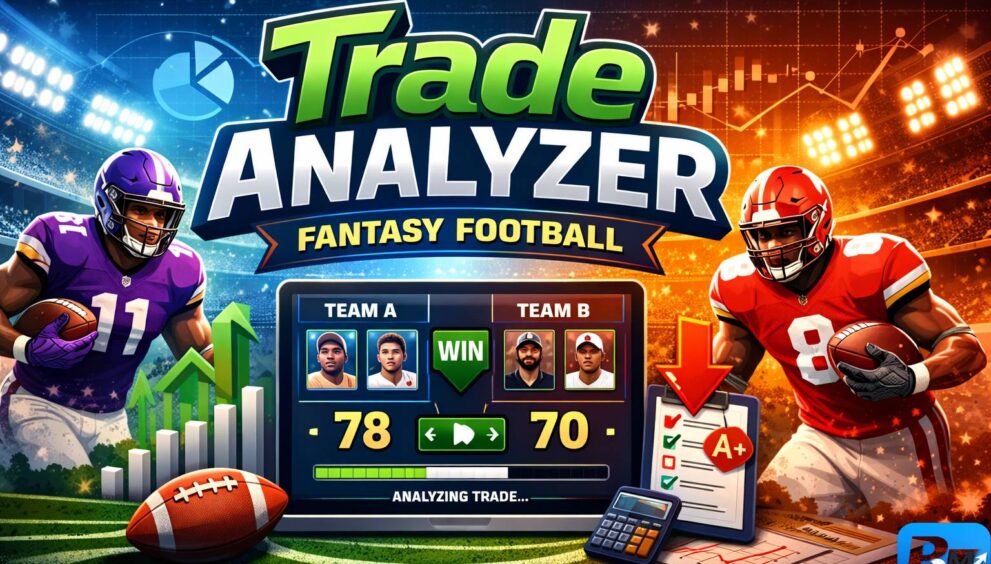
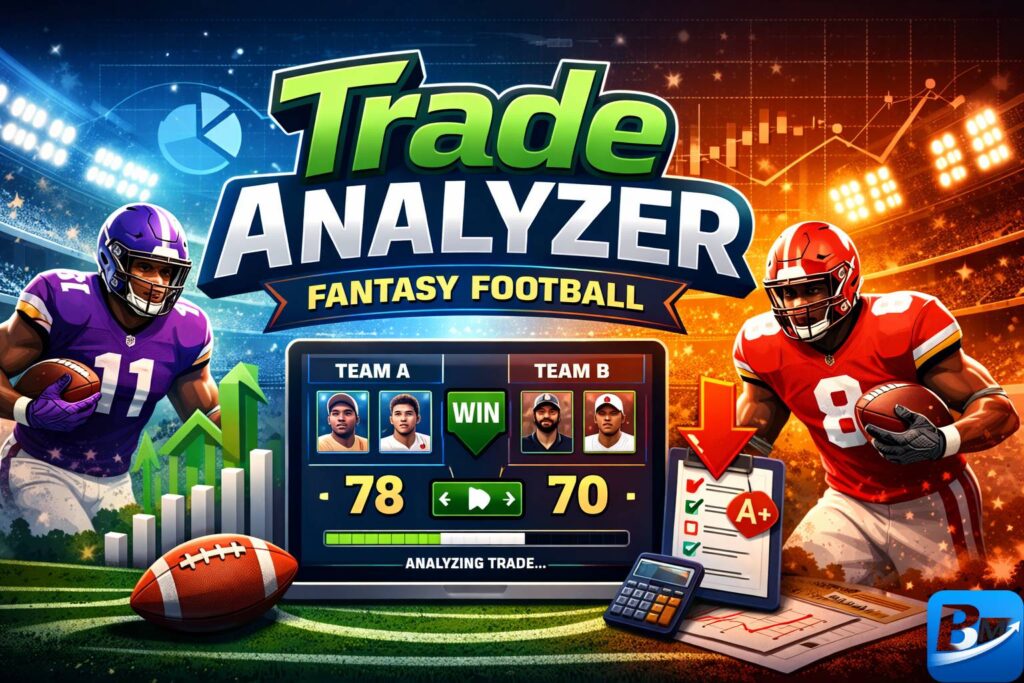
Fantasy sports involve constant decision-making, especially when managers consider trading players with other teams. One of the most widely used tools for evaluating these decisions is a Trade Analyzer Fantasy Football system. It helps managers compare the value of players involved in a proposed deal and determine whether the exchange improves their roster or creates unnecessary risk. Instead of relying on instinct alone, managers use analytical tools that interpret performance data, projections, and roster structure.
Trades can change the direction of a fantasy season, but they are often difficult to evaluate objectively. Managers may focus too heavily on star names or recent performances while ignoring long-term consistency and positional depth. A trade analyzer provides a structured way to review player value, compare projections, and assess whether both sides of a deal make sense. When used correctly, it supports better decisions rather than replacing personal strategy.
What does a trade analyzer actually evaluate in fantasy football trades
A trade analyzer reviews the players included in a proposed deal and compares their projected impact on each roster. The goal is not simply to label a trade as good or bad but to measure relative value based on performance trends, positional scarcity, and expected production over the remaining season. Most systems rely on statistical projections combined with historical performance data to estimate how many points a player may contribute.
The evaluation process begins with player projections. Analysts study past performance, current role within the team, and upcoming matchups to estimate expected fantasy points. These projections form the foundation of the analyzer’s value model. While projections are never perfect, they provide a consistent way to compare players who perform in different roles or positions.
Another factor is positional depth. A wide receiver producing steady points may appear less valuable in isolation if many similar players exist at that position. Conversely, a reliable running back may receive a higher trade value because fewer players produce consistent results there. Trade analyzers incorporate this positional scarcity to balance comparisons more realistically.
Finally, some analyzers adjust values based on league format. Scoring systems such as point-per-reception leagues change how certain players are valued. A receiver who catches many short passes might hold more value in those formats than in standard scoring. The analyzer applies these rules to ensure the evaluation matches the structure of the league.
How player value is calculated when comparing trade offers
Player value within a trade analyzer usually comes from a combination of projected points, consistency, and role stability. Instead of judging players by reputation alone, the system converts expected performance into numerical values that allow direct comparison between players. This process helps managers understand whether two sides of a trade provide similar total production.
Projections are often calculated using statistical models built from historical player performance. These models examine trends such as targets, rushing attempts, touchdowns, and efficiency metrics. By analyzing patterns across multiple seasons, analysts estimate how players are likely to perform in upcoming games. While projections cannot predict every outcome, they provide a structured starting point.
Consistency also plays a major role in value calculations. Some players produce high scores occasionally but deliver low totals most weeks. Others provide steady production with fewer dramatic spikes. Trade analyzers frequently reward consistency because reliable weekly performance reduces risk and helps maintain lineup stability.
In addition, injury history and role security influence value. A player sharing playing time with teammates or recovering from injuries may receive a lower projection because of uncertainty. Conversely, a player with a stable role and heavy usage typically receives a stronger value rating. These adjustments aim to reflect realistic expectations rather than best-case scenarios.
When managers should rely on analysis and when judgment matters more
Analytical tools are helpful, but they should support decisions rather than replace judgment. A trade analyzer provides valuable context, yet fantasy football involves unpredictable elements that numbers alone cannot capture. Managers who understand both statistical insight and team strategy usually make stronger decisions than those who rely entirely on automated recommendations.
One situation where personal judgment matters is roster construction. A trade analyzer may show equal value on both sides, but that does not mean the deal improves your team. If the trade weakens a position where your roster already lacks depth, the move could create problems even if the projected points appear balanced.
League dynamics also influence trade decisions. Some leagues emphasize depth, while others reward top-heavy lineups built around elite performers. A trade analyzer evaluates player value individually, but it may not fully consider how league competition shapes roster strategy. Managers must interpret results within the context of their league environment.
Finally, timing affects trade outcomes. Late-season schedules, playoff matchups, and team injuries can alter player value quickly. An analyzer might rely on season-long projections, but managers who follow team developments closely can identify opportunities or risks earlier than statistical models detect them.
Common mistakes fantasy managers make when reviewing trades
One of the most common mistakes is focusing too heavily on player reputation rather than realistic performance. Well-known players often carry perceived value even when their production declines. Trade analyzers help reduce this bias by comparing actual projections rather than name recognition. However, managers sometimes ignore the analysis when it contradicts their expectations.
Another mistake is overreacting to recent performances. A player who scores heavily in one week may appear extremely valuable in trade discussions, while another who has a quiet game may seem less appealing. Trade analyzers typically smooth out these short-term fluctuations by using broader data sets, helping managers avoid emotional decisions.
Some managers also misunderstand how positional scarcity works. Trading away a reliable player at a thin position for two average players at deeper positions can weaken a roster. Although the combined projected points might look appealing, the lineup may struggle because fewer high-quality replacements exist.
Finally, managers sometimes treat analyzer results as absolute judgments. In reality, these tools offer guidance rather than final answers. A trade that appears slightly uneven may still benefit both teams depending on roster needs. The best managers view trade analysis as a reference point, not a rigid rule.
How to decide whether a trade strengthens your roster long term
Determining whether a trade truly strengthens your team requires more than comparing raw projections. Managers should first evaluate how the deal changes their starting lineup. If the trade upgrades multiple weekly starters or improves positional balance, it may provide real value even if the analyzer rates it as neutral.
Another important step is examining depth. Injuries and bye weeks affect every fantasy season, so a roster with reliable backups can maintain consistent scoring. When evaluating trades, managers should consider whether the deal leaves the team vulnerable at certain positions.
Future schedule considerations can also influence decisions. Some players face easier matchups during critical weeks of the season. While projections attempt to account for these factors, managers who study schedules carefully may identify advantages that automated tools treat more cautiously.
Finally, long-term improvement often comes from understanding team roles rather than chasing short bursts of performance. Players with stable usage and consistent involvement in their offense tend to maintain fantasy value. Trades that increase exposure to these players often provide more sustainable benefits than deals based purely on temporary production.
Conclusion
Trade evaluation in fantasy football requires a balance between data analysis and strategic judgment. Trade analyzers provide a structured method for comparing player value, reviewing projections, and identifying potential risks. By translating performance data into comparable metrics, these tools help managers see beyond reputation and short-term results.
However, the most effective decisions come from combining analytical insight with an understanding of roster needs, league structure, and timing. Managers who interpret trade analysis thoughtfully can identify opportunities that strengthen their teams while avoiding deals that appear appealing but weaken long-term stability.
Frequently Asked Questions (FAQs)
1. What is Trade Analyzer Fantasy Football and how does it work?
Trade Analyzer Fantasy Football is a tool used by fantasy managers to evaluate proposed player trades. It compares projected performance, player roles, and positional value to estimate whether a deal benefits one team or remains balanced for both sides.
2. Are trade analyzers always accurate when evaluating trades?
Trade analyzers rely on projections and statistical models, so they provide guidance rather than perfect predictions. Injuries, coaching decisions, and unexpected performance changes can affect results that models cannot fully anticipate.
3. Do trade analyzers work differently in various league formats?
Yes, player value changes depending on league scoring systems and roster settings. Formats such as point-per-reception leagues or superflex leagues can significantly alter how quarterbacks, running backs, and receivers are valued.
4. Should managers accept a trade if the analyzer says it is fair?
A fair evaluation does not automatically mean the trade improves your team. Managers should still consider roster balance, positional depth, and upcoming schedules before deciding whether the deal fits their strategy.
5. Why do some trades appear uneven even when projections look similar?
Differences in positional scarcity and lineup requirements can make trades appear uneven. A consistent player at a scarce position may provide more weekly stability than multiple players who offer similar projected totals but less reliability.