


























































































































Stealthgram: Understanding Anonymous Instagram Tools


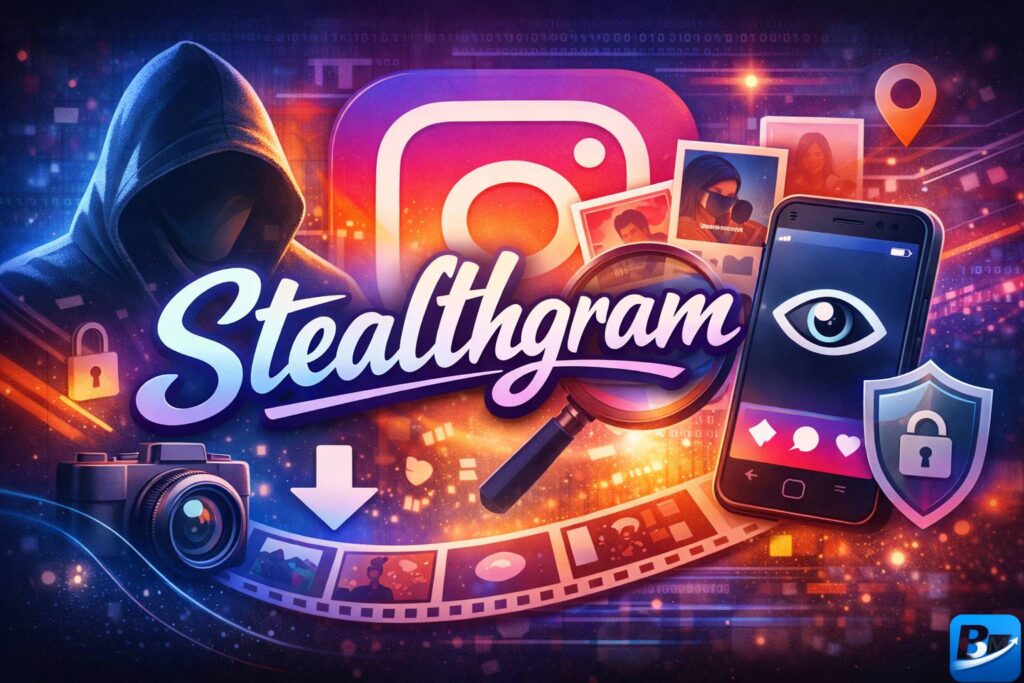
Stealthgram is a term used to describe tools or platforms that allow users to browse Instagram content without being noticed. These tools usually promise private access to stories, profiles, or posts, positioning themselves as a discreet way to interact with social media. While the idea of “invisible browsing” sounds appealing, the reality involves technical, ethical, and security considerations.
What Is Stealthgram and How Does It Work?
Stealthgram generally functions by acting as an intermediary between the user and Instagram. This allows content to be loaded without the viewer being logged into the social media platform directly. Some tools use web scraping or temporary sessions to simulate access, which technically hides the user’s presence.
It is important to note that most of these tools operate without official authorization from Instagram. They often require only the username of the target account, but the reliability of results can vary. Users may experience incomplete content, errors, or limitations depending on platform updates.
Many users assume these tools provide full invisibility, but the mechanisms are imperfect. Instagram can detect unusual traffic, which may result in account restrictions. Understanding the technical and operational limits helps set realistic expectations.
Are Anonymous Instagram Viewing Tools Safe?
The safety of tools marketed under Stealthgram is inconsistent. Some are simple web interfaces, while others may request personal information or app permissions. This can expose users to malware, phishing, or unauthorized data collection.
Another risk is violating Instagram’s terms of service. Using third-party tools for anonymous viewing may be considered prohibited activity, potentially leading to temporary or permanent account restrictions.
A cautious approach includes using privacy-focused browsers, refraining from sharing login credentials, and critically evaluating the credibility of any platform before use. Safety is rarely guaranteed, and awareness of digital hygiene is essential.
Common Uses and Misconceptions Around Stealthgram
Many people turn to these tools out of curiosity, wanting to view stories or posts discreetly. Some may also use them for research, content inspiration, or monitoring brand presence. However, misconceptions are frequent, particularly the belief that these tools are fully undetectable.
Users often assume anonymity is absolute, but most mechanisms leave traces, and repeated use may increase exposure risk. Another misconception is that all tools labeled as Stealthgram are official or secure; in reality, most operate independently, without oversight.
Understanding the practical applications and limits of these tools allows users to make informed choices. Recognizing common misunderstandings reduces frustration and enhances awareness of responsible digital behavior.
Alternatives for Private Social Media Browsing
For those concerned about privacy or anonymity, several alternatives exist. Private browsing modes in web browsers, secondary accounts, and legitimate Instagram settings offer controlled ways to explore content without third-party tools.
Users can also leverage platforms like content aggregators or RSS feeds for updates without interacting directly with accounts. While these options may not fully replicate the “stealth” appeal, they provide safer, more reliable ways to manage visibility online.
The key is balancing curiosity with security. Choosing officially supported tools, maintaining strong passwords, and limiting personal data sharing ensures privacy without exposing users to unnecessary risks.
Conclusion
Stealthgram represents a category of tools aimed at anonymous Instagram browsing, but the promise of invisibility is often overstated. While such platforms can offer discreet access, they carry technical, ethical, and security concerns that users must consider carefully.
Safe alternatives and informed practices allow individuals to explore content privately without relying on potentially risky tools. Ultimately, understanding the limitations, risks, and practical options ensures responsible use of social media while maintaining privacy and digital security.
Frequently Asked Questions (FAQs)
1. What is Stealthgram and how does it work?
Stealthgram refers to tools or platforms that let users view Instagram content without being seen. They typically act as intermediaries, loading posts or stories in a way that hides your account from the content owner. While they provide partial anonymity, the process is not fully secure or officially supported by Instagram.
2. Is using Stealthgram safe for my account?
Not always. Many Stealthgram tools operate independently and may request personal information or access to your device. This can expose you to malware, phishing, or account restrictions. Using third-party apps for anonymous browsing may also violate Instagram’s terms of service.
3. Can I view all Instagram content anonymously with these tools?
No. These tools often have limitations. Stories, private profiles, or new updates may not display correctly, and repeated use may increase exposure. Full invisibility cannot be guaranteed, so results may vary depending on the tool and Instagram updates.
4. What are common misconceptions about Stealthgram?
A common misconception is that it offers complete anonymity or official Instagram support. In reality, most platforms labeled as Stealthgram operate independently, and they can leave digital traces. Understanding their limitations helps avoid false expectations and potential security risks.
5. Are there safer alternatives for private social media browsing?
Yes. Options include using Instagram’s private account features, secondary accounts, or private browsing modes in web browsers. Content aggregators and RSS feeds can also provide updates without direct interaction. These methods are safer, more reliable, and reduce the risk of malware or account issues.