




















































































































Sfm Compile: How to Compile Source Filmmaker Projects Step by Step

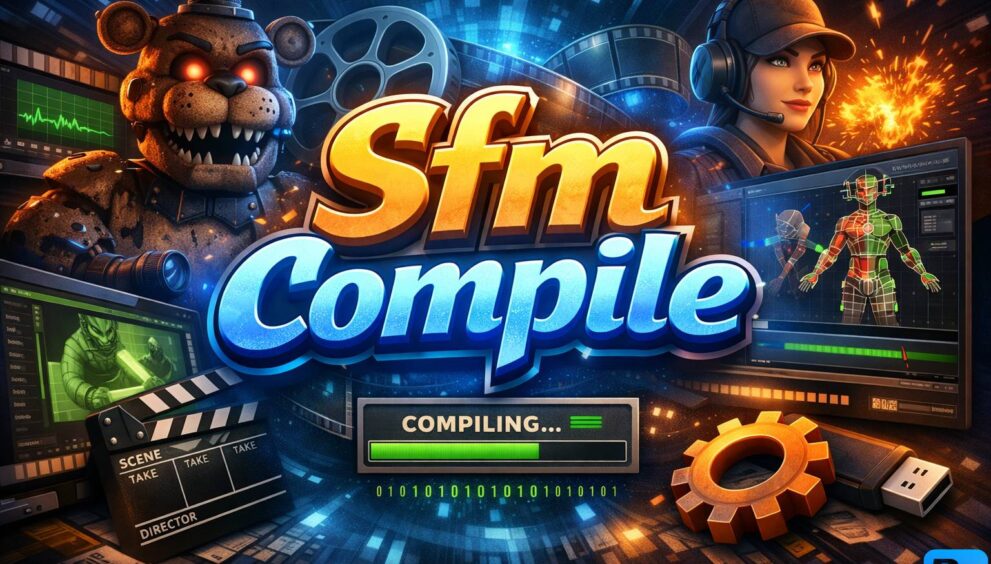
Sfm Compile refers to the process of exporting or rendering a finished animation from Source Filmmaker into a usable video or image format. For creators working inside Source Filmmaker, this stage transforms a timeline of shots, lighting, models, and audio into a final deliverable. It is the bridge between creative work and a file you can upload, edit further, or archive.
Although it sounds technical, compiling is not only about clicking export. It involves choosing correct output settings, understanding how rendering works inside the Source engine, and avoiding common errors that can corrupt or delay a project. Many issues beginners face are not creative mistakes but technical misunderstandings of how the rendering pipeline behaves under load.
What Does SFM Compile Actually Mean in Practice
In practical terms, compiling is the final rendering step where your animation is processed frame by frame and written to disk. The software calculates lighting, shadows, particle effects, motion blur, and camera settings before producing a finished output. Without this step, your work remains a project file, not a distributable video.
There are two primary output approaches. The first is exporting directly to a video container such as AVI. The second is rendering an image sequence like PNG or TGA frames. Each method has tradeoffs in reliability, quality control, and post production flexibility. Professionals often prefer image sequences because they reduce the risk of total file corruption if a crash occurs mid render.
The compile process is hardware intensive. Rendering depends on CPU performance, available RAM, disk speed, and scene complexity. High resolution textures, dynamic lights, and particle systems significantly increase render time. If the system runs out of memory, the export may fail without clear explanation.
Another important detail is file path management. Long folder paths, restricted directories, or insufficient disk space can interrupt output. Many users misinterpret these as software failures when they are simple storage or permission issues.
How Do You Properly Export a Project Without Errors
To export correctly, you must first ensure the timeline plays smoothly in preview mode. If the viewport stutters heavily, the compile stage will likely take longer or expose instability. Fix obvious lighting glitches, missing textures, and animation errors before attempting final output.
When selecting export settings, resolution and frame rate should match your intended platform. Rendering at unnecessarily high resolutions strains system resources without improving real world results. If the animation is intended for standard online distribution, 1080p at 24 or 30 frames per second is usually sufficient.
Choosing image sequence export improves reliability. Each frame is saved individually, which means a crash only affects a small portion rather than the entire project. After rendering, frames can be assembled in external editing software. This workflow mirrors industry standards used in larger 3D pipelines.
It is also wise to close background applications before compiling. Rendering requires stable memory allocation. Web browsers, streaming tools, or recording software can consume RAM and cause unpredictable behavior during long exports.
Why Do Compile Errors Happen and How Can You Fix Them
Most compile errors are resource related rather than structural. When the system cannot allocate enough memory, rendering stops. Reducing texture resolution, lowering shadow quality, or splitting a long animation into smaller segments often resolves the issue.
Another common problem is codec instability when exporting directly to AVI. Certain codecs conflict with the engine or produce incomplete files. Switching to an image sequence removes codec dependency entirely and eliminates this category of error.
Corrupt assets can also interrupt rendering. Custom models not properly converted for the Source engine may behave normally in preview but fail during final processing. Recompiling the model with correct settings or verifying asset integrity usually corrects this.
Finally, storage problems should not be overlooked. Rendering generates large temporary files. If the drive fills up mid export, the process fails. Monitoring available disk space and using a fast local drive improves stability and output consistency.
Is It Better to Render Image Sequences or Video Files
For reliability and control, image sequences are generally superior. They allow correction of individual frames, simplify color grading, and prevent full project loss if something crashes. This method aligns with professional animation workflows beyond the Source ecosystem.
Direct video export is faster and simpler for short test renders. It is useful for quick previews or drafts. However, it introduces compression during rendering and limits flexibility in post production. If a single frame becomes corrupted, the entire file may be unusable.
Long projects benefit from a segmented approach. Rendering in smaller shot based sections reduces risk and improves file management. Once all sequences are complete, they can be combined into a final master file using editing software.
The decision ultimately depends on project length, system capability, and required quality control. For serious work intended for public release, image sequences provide a safer and more controlled workflow.
Conclusion
Compiling inside Source Filmmaker is more than a final button click. It is a technical phase that converts creative effort into a stable output file. Understanding how rendering consumes resources, how codecs behave, and why image sequences reduce risk allows creators to work with confidence.
Most compile issues are predictable and preventable. Careful preparation, sensible export settings, and proper storage management remove the majority of failures. By approaching the process methodically rather than rushing to export, creators gain both reliability and professional level control over their final output.
Frequently Asked Questions (FAQs)
1. What happens during the compile process in Source Filmmaker?
The software renders each frame of your animation, calculating lighting, shadows, particles, and camera effects. It then converts that processed data into a video file or image sequence ready for distribution or editing.
2. Why does my export fail or crash before finishing?
Most failures occur due to limited RAM, insufficient disk space, or unstable codecs. Reducing scene complexity or exporting as an image sequence often resolves the issue.
3. Is rendering an image sequence better than exporting a video file?
Image sequences are more reliable because each frame is saved separately. If the process stops, you only lose a few frames instead of the entire project.
4. How can I speed up the compile process?
Lowering resolution, reducing dynamic lights, and closing background applications can improve stability and rendering time. Optimizing models and textures also helps significantly.
5. Do custom models affect the compile stage?
Yes, improperly converted assets can cause errors during rendering. Ensuring models are correctly prepared for the Source engine reduces the risk of export interruptions.