






























































































































Liberty High School Gas Evacuation: Lessons for School Safety

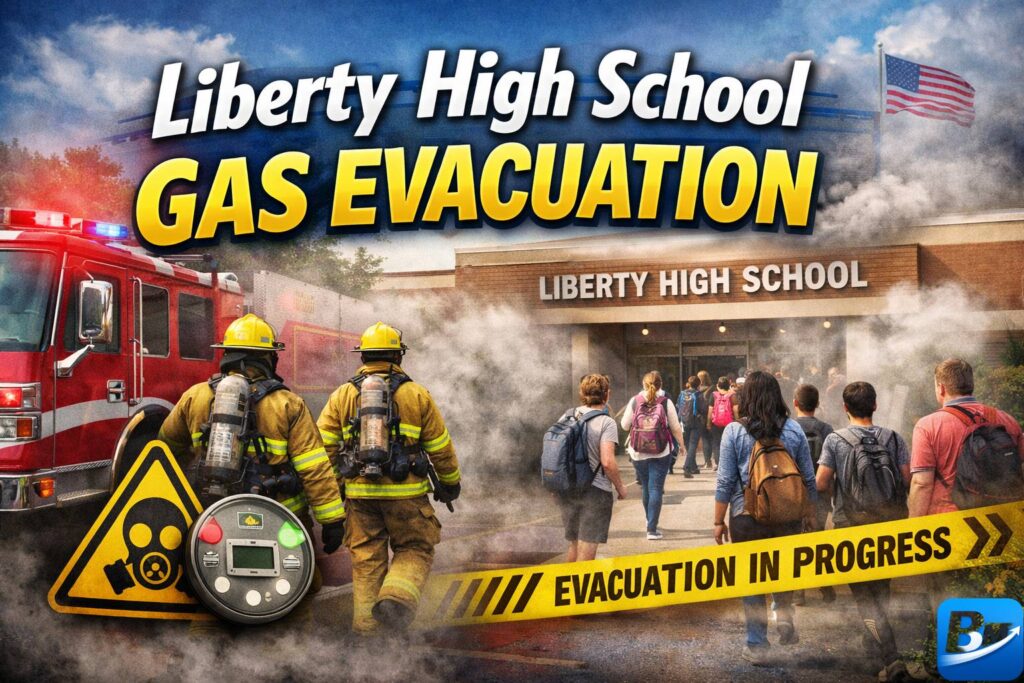
On September 12, 2024, Liberty High School implemented a precautionary evacuation after staff detected a gas-like odor inside the building. This immediate action ensured the safety of students, staff, and visitors. Emergency responders arrived quickly to assess the situation, and thorough inspections confirmed that there was no active gas leak or chemical hazard. Students and staff returned safely to classrooms once the building was declared secure.
The Liberty High School gas evacuation highlights the importance of effective emergency procedures, clear communication, and coordinated response between school administrators and local authorities. This article provides a detailed, verified account of the events, the official response, and key safety takeaways for schools, families, and communities.
What Triggered the Evacuation
The evacuation at Liberty High School was initiated after staff reported a strong gas-like odor in the school building. Natural gas is normally odorless, but utility companies add a distinct odorant for easy detection. Even when there is only a faint smell, schools treat it as a potential safety hazard due to the risks of gas exposure, fire, or explosion.
The detection of the odor led administrators to immediately activate the fire alarm system and begin evacuating students and staff. The school followed its standard emergency protocol, ensuring that everyone moved to designated safe assembly areas while emergency responders were called to the scene.
Timeline of Liberty High School Gas Evacuation
| Time | Event |
|---|---|
| 10:30 AM | Staff detected a strong gas-like odor inside the school. |
| 10:35 AM | Fire alarm activated; students and staff began evacuating. |
| 10:40 AM | Local fire and emergency responders arrived to assess the situation. |
| 10:45 AM | Responders inspected ventilation systems, gas lines, and air quality. |
| 11:00 AM | Building cleared as safe; no active gas leak or hazard found. |
| 11:10 AM | Students and staff returned to classrooms and resumed school activities. |
The entire evacuation and inspection process lasted approximately 40 minutes, reflecting the efficiency and preparedness of both school staff and emergency personnel.
Emergency Response and Coordination
During a potential gas incident, several groups coordinate to ensure safety:
- School Staff and Administrators: Responsible for activating alarms, managing evacuations, conducting roll calls, and guiding students to safe areas.
- Emergency Responders: Firefighters and safety teams assess the odor source, check air quality, inspect gas lines, and determine if the building is safe for re-entry.
- Facility and Safety Teams: Maintenance personnel check HVAC systems, utility lines, and other potential sources of the odor to rule out hazards.
This coordinated approach ensures that all aspects of safety are addressed promptly and efficiently, minimizing risk to students and staff.
Safety Outcomes
The evacuation concluded safely with the following outcomes:
- No students or staff were injured during the evacuation or inspection.
- Emergency responders confirmed that no gas leak or chemical hazard was present in the building.
- Students and staff were allowed to return to classrooms safely.
- Normal school activities resumed shortly after the all-clear.
Although no active hazard was detected, the precautionary measures taken were appropriate, illustrating the importance of prioritizing safety even in situations where danger is only suspected.
Why Gas Odors Are Treated Seriously in Schools
Schools treat gas odors with the highest level of caution due to the following risks:
- Explosion Risk: Accumulation of gas in enclosed spaces can create fire or explosion hazards.
- Health Risks: Gas exposure can lead to headaches, dizziness, nausea, or respiratory problems if concentrations are high.
- Invisible Threats: Gas leaks may not be immediately visible, so odor detection or instrument measurement is essential for early warning.
Precautionary evacuations protect students and staff from potential hazards, ensuring that professional responders have the time to assess the situation thoroughly.
Student and Staff Experience During the Evacuation
During the evacuation, teachers guided students to outdoor assembly points and took attendance to confirm that everyone was accounted for. Students were familiar with emergency routes due to regular fire and safety drills, which contributed to a calm and orderly evacuation.
Staff remained with students to provide guidance and reassurance, ensuring that panic did not occur. The organized evacuation demonstrated the effectiveness of training and preparedness in managing potential hazards.
Parent Communication
Clear and timely communication with parents is a key component of effective emergency response:
- Parents were notified promptly through automated messaging systems and phone alerts.
- School administrators provided official updates on the situation, emphasizing that the evacuation was precautionary and that students were safe.
- After the building was declared safe, parents were informed that students had returned to their classrooms and normal activities had resumed.
Effective communication reassured families and prevented misinformation from spreading during the incident.
Expert Insights on Gas Safety
Emergency management professionals emphasize the importance of early precautionary actions when a gas odor is detected in a school environment. Immediate evacuation reduces the risk of exposure and potential hazards. Modern detection equipment, along with trained responders, ensures accurate assessment and guidance for safe re-entry.
Experts also highlight the value of regular drills, clear emergency protocols, and coordination between school administrators and local authorities. These measures ensure that students, staff, and parents can respond effectively in real situations.
Lessons Learned
The Liberty High School evacuation provides several important lessons:
- Preparedness Saves Lives: Staff and students trained in emergency procedures can respond calmly and efficiently.
- Early Action Prevents Risk: Evacuating at the first sign of potential danger minimizes the chance of exposure to hazards.
- Clear Communication is Essential: Informing students, staff, and parents promptly helps manage the situation and prevents panic.
- Coordination is Key: Collaboration between school administrators, emergency responders, and safety personnel ensures a thorough response.
By applying these lessons, other schools can strengthen their safety protocols and ensure the well-being of students and staff.
Frequently Asked Questions (FAQs)
What caused the evacuation at Liberty High School?
Staff reported a strong gas-like odor inside the building, prompting a precautionary evacuation.
Was a gas leak confirmed?
No, inspections confirmed that there was no active gas leak or chemical hazard.
Were any students or staff injured?
No injuries were reported during the evacuation.
How long did the evacuation last?
The evacuation and inspection process lasted approximately 40 minutes from detection to all-clear.
Why was an evacuation necessary if no leak was detected?
Precautionary evacuations are standard protocol to protect students and staff from potential hazards before a professional assessment can be completed.
Conclusion
The Liberty High School gas evacuation demonstrates how proper emergency protocols, quick response, and coordinated action can ensure safety in school environments. The incident shows that even when no hazard is confirmed, taking precautionary measures protects students, staff, and the wider community.
Preparedness, training, and effective communication are essential for handling unexpected situations. Schools that follow these principles can respond to potential hazards calmly and efficiently, preventing harm and maintaining trust with families.
This incident also highlights the importance of regular safety drills, staff readiness, and emergency planning in maintaining a secure learning environment. By prioritizing safety and adhering to established procedures, schools can manage even unexpected situations effectively and without incident.