





























































































































Image Search Techniques: A Complete Guide to Finding Images Smarter


Image Search Techniques have evolved far beyond simply typing a few words into a search engine and scrolling through endless results. In today’s digital environment, images are indexed, analyzed, and ranked using advanced artificial intelligence systems. Whether you are a student verifying a historical photo, a marketer searching for licensed visuals, or a journalist fact-checking viral content, knowing how to search images strategically saves time and improves accuracy.
Modern search engines such as Google and Bing now rely on visual recognition, metadata interpretation, and contextual signals to deliver relevant results. This means image search is no longer purely keyword-driven. Algorithms analyze objects, colors, faces, text inside images, and even user intent to provide more precise matches. Understanding how these systems work allows users to refine their approach instead of relying on trial and error.
The importance of mastering Image Search Techniques has increased significantly with the rise of misinformation and AI-generated visuals. Reverse image searches can reveal original sources, identify manipulated content, and uncover duplicate usage across the web. For professionals in SEO, academic research, content creation, and digital forensics, these skills are no longer optional. They are essential tools for credibility, efficiency, and responsible digital engagement.
In this guide, each section will break down practical, actionable techniques that help you search smarter. From basic keyword strategies to advanced AI-powered visual search, you will learn how to approach image discovery with clarity and precision. Instead of passively browsing, you will gain structured methods that improve results, verify authenticity, and strengthen your overall digital research capabilities.
What Are Image Search Techniques?
Image Search Techniques refer to the structured methods used to locate, verify, and analyze images online. Instead of relying on random browsing, these techniques involve strategic keyword selection, reverse image tools, metadata analysis, and filtering systems. They help users refine results and locate accurate, high-quality visuals tailored to specific needs, whether for research, marketing, or content creation.
Unlike traditional text searches, image searches depend heavily on visual recognition algorithms. Platforms such as Google analyze shapes, objects, colors, embedded text, and contextual signals to deliver relevant matches. This means users must think beyond simple phrases and understand how search engines interpret visual data behind the scenes.
Over time, image search has evolved from basic keyword indexing to AI-driven recognition systems. Modern tools can identify landmarks, products, faces, and even artistic styles. This shift has transformed Image Search Techniques into a more dynamic and intelligent process, where both human input and machine learning work together to refine results.
Mastering these techniques enables users to search more efficiently and critically. Whether tracing the origin of a viral image or finding copyright-safe graphics, understanding how image search works improves accuracy and credibility. As digital content continues to expand, these skills become increasingly important for navigating visual information responsibly.
Types of Image Search Techniques
Understanding the different types of Image Search Techniques allows users to choose the right method based on their objective. Not every search requires the same approach. Sometimes a well-structured keyword is enough, while other situations demand reverse lookup or AI-powered visual detection. Knowing when and how to apply each method improves efficiency and search accuracy.
Modern search platforms combine keyword indexing, artificial intelligence, and metadata interpretation. Tools such as Google and Bing integrate multiple techniques within a single interface. This means users can switch between search styles depending on their needs, from finding stock photos to verifying image authenticity.
Below are the core types of Image Search Techniques and how each works in practice.
1. Keyword-Based Image Search
Keyword-based image search is the most common technique. It involves typing descriptive terms into an image search bar to retrieve relevant visuals. The effectiveness of this method depends largely on how specific and structured your keywords are. Generic terms produce broad results, while detailed queries generate more targeted matches.
Using modifiers significantly improves results. Words like “HD,” “transparent background,” “vector,” “infographic,” or “royalty-free” narrow down the output. Adding context such as location, year, or style further refines accuracy. For example, “modern office interior 2026 minimalist design” will produce more precise images than simply “office.”
Quotation marks can also help when searching for exact phrases. Filters for size, color, and usage rights enhance targeting even further. This technique is ideal for content creators, designers, and marketers who need visually relevant assets quickly without conducting deep verification.
2. Reverse Image Search
Reverse image search allows users to upload an image or paste its URL to discover related information. Instead of searching with text, the image itself becomes the query. This method is powerful for identifying original sources, tracking duplicates, and detecting manipulated or stolen content.
Platforms like TinEye and Yandex Images specialize in scanning the web for visually similar matches. These tools compare patterns, shapes, and structural elements to locate where else the image appears online.
Reverse search is especially useful for journalists, researchers, and fact-checkers. It helps verify authenticity, determine publication timelines, and uncover higher-resolution versions. In the age of misinformation and AI-generated visuals, this technique is essential for digital credibility.
3. Visual Search Using AI
AI-powered visual search uses machine learning and object recognition to identify elements within an image. Instead of relying solely on keywords, the system analyzes shapes, colors, objects, and contextual patterns to generate matches. This allows users to search using screenshots, partial images, or even live camera input.
Tools like Pinterest Lens and Google Lens can recognize products, landmarks, outfits, furniture, and more. For example, users can upload a photo of a chair and find similar products available online.
This technique is widely used in e-commerce and mobile search. It bridges the gap between the physical and digital world by transforming images into searchable data. AI-based visual search continues to grow in accuracy and commercial relevance.
4. Advanced Search Operators for Images
Advanced search operators refine image results using structured commands. These operators help users narrow down content to specific domains, file types, or contextual relevance. For example, using the “site:” operator limits results to a particular website.
The “filetype:” operator can locate specific image formats such as PNG or SVG. This is helpful for designers looking for scalable graphics. Combining operators with descriptive keywords increases precision and reduces irrelevant results.
Filters for size, color, time range, and usage rights further improve targeting. Advanced operators are especially valuable for researchers, SEO professionals, and digital analysts who need structured and focused search outcomes rather than general browsing results.
5. Metadata and EXIF Data Search
Metadata refers to hidden information stored within an image file. This can include the date captured, device used, location coordinates, and editing history. EXIF data, in particular, is useful for verifying when and where a photo was taken.
Extracting metadata helps researchers confirm authenticity or detect inconsistencies. If a viral image claims to be recent but metadata shows it was created years ago, this reveals misinformation. Several online tools allow users to inspect metadata quickly.
However, not all images retain metadata, as platforms often strip this data during uploads. Despite this limitation, metadata analysis remains an important Image Search Technique for forensic investigations and professional verification tasks.
Advanced Image Search Techniques for Professionals
As digital ecosystems become more complex, professionals require deeper and more strategic Image Search Techniques. Basic keyword searches are often insufficient for tasks like forensic verification, SEO optimization, or investigative reporting. Advanced techniques combine technical knowledge, tool selection, and critical analysis to ensure accuracy, efficiency, and ethical use of images.
Different industries apply image search in distinct ways. SEO specialists focus on visibility and optimization, journalists prioritize verification and authenticity, and researchers emphasize accuracy and citation compliance. Understanding these specialized approaches allows professionals to move beyond surface-level searches and use images as credible, data-backed resources.
Below are advanced methods tailored to specific professional needs.
For SEO Specialists
For SEO professionals, Image Search Techniques are closely tied to discoverability and ranking performance. Optimizing file names with descriptive keywords improves indexing. Instead of “IMG_1234.jpg,” a name like “modern-office-interior-design.jpg” provides contextual clarity for search engines.
Alt text plays a critical role in accessibility and ranking. Search engines such as Google use alt attributes to understand image content. Writing natural, descriptive alt text improves both user experience and organic image visibility. Overstuffing keywords should be avoided to maintain credibility.
Structured data and image sitemaps further enhance search performance. Submitting image URLs through sitemaps ensures proper crawling, while schema markup adds contextual signals. Together, these strategies strengthen visibility in image search results and improve overall page authority.
For Journalists and Fact Checkers
Journalists rely heavily on reverse image verification to combat misinformation. Uploading suspicious visuals to platforms like TinEye or Yandex Images helps identify previous appearances and original sources.
Analyzing publication timestamps across multiple platforms can reveal manipulation. If an image claiming to represent a current event appears in archives years earlier, the narrative is likely misleading. Cross-checking context is just as important as verifying the image itself.
Metadata inspection also supports authenticity checks. When available, EXIF data can confirm capture dates and device details. Combined with contextual research, these techniques strengthen investigative accuracy and protect public trust in media reporting.
For Students and Academic Researchers
Students and researchers use Image Search Techniques to locate credible, copyright-compliant visuals. Academic databases and museum archives often contain high-quality historical images that are not easily found through general search engines.
Filtering by usage rights ensures legal compliance. Many search engines offer Creative Commons filters, allowing users to identify images suitable for educational or non-commercial use. Proper attribution remains essential even when licenses permit reuse.
Scholarly work also benefits from contextual cross-verification. Comparing image details with trusted academic sources reduces the risk of misinterpretation. In research environments, image accuracy is not optional; it directly impacts credibility and academic integrity.
Best Tools for Image Search Techniques
Choosing the right platform is a critical part of mastering Image Search Techniques. Different tools offer unique strengths, from AI-powered recognition to professional licensing databases. Understanding how each platform works allows users to select the most efficient option for research, verification, content creation, or commercial use.
Below are the most reliable and widely used tools for advanced image discovery.
1. Google Images
Google Images remains the most comprehensive tool for keyword-based and reverse image searches. Users can type descriptive queries or upload an image to find visually similar matches, original sources, and different resolutions. Its filtering system allows sorting by size, color, time, and usage rights.
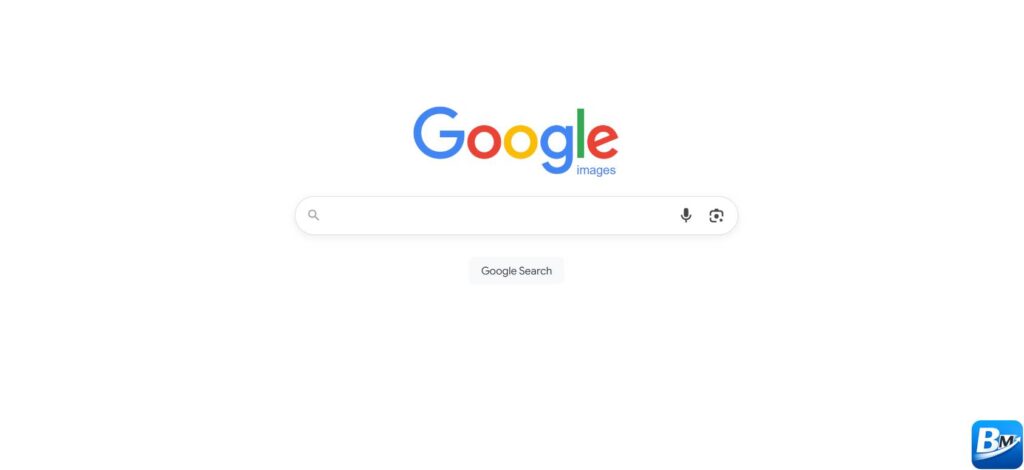
Integrated with Google Lens, the platform supports object recognition and text extraction from images. This makes it especially useful for identifying landmarks, products, or translated text within photos. For general discovery and everyday searching, it is the most versatile option available.
2. TinEye
TinEye specializes in reverse image search and duplicate detection. Instead of focusing on keyword results, it scans the web to identify where an image has previously appeared. This helps users trace the original upload date and detect modified versions.
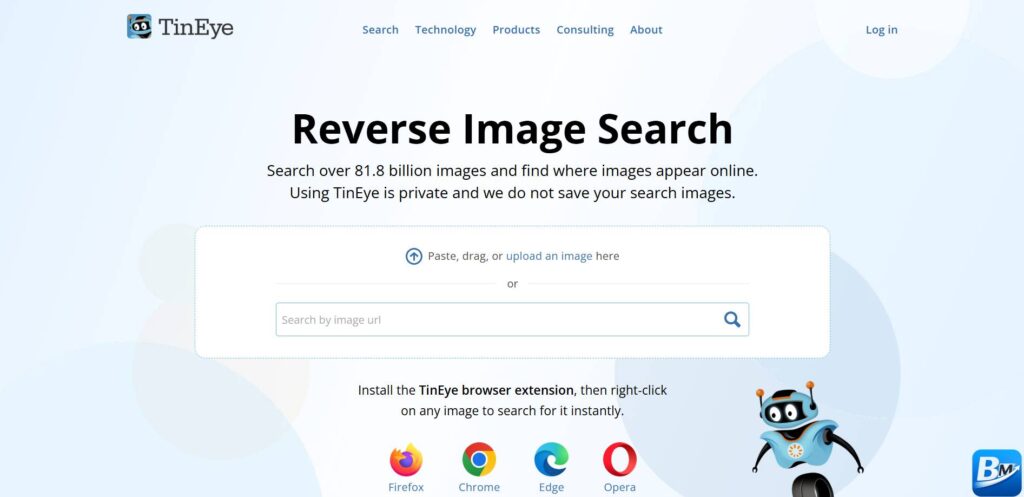
It is particularly valuable for journalists, researchers, and copyright investigators. TinEye also offers sorting by oldest or newest appearance, making it easier to establish a timeline for image usage. When verification is the priority, this tool excels.
3. Bing Visual Search
Bing Visual Search combines keyword queries with strong object recognition capabilities. Users can crop specific parts of an image to search for similar items. This is useful when focusing on a single object within a larger photo.

The tool performs well in product-based searches and e-commerce comparisons. Its interface also provides filtering options similar to other major search engines. For users seeking alternative results beyond Google’s index, Bing offers a reliable secondary perspective.
4. Yandex Images
Yandex Images is widely recognized for its powerful facial and visual pattern recognition. In some cases, it identifies matches that other search engines may overlook. This makes it valuable for advanced reverse searches and investigative research.
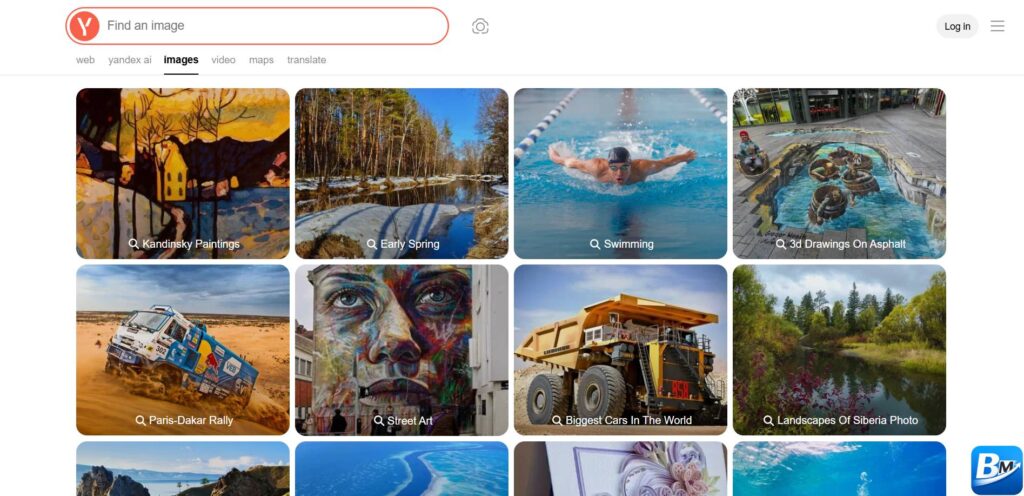
The platform is often used when verifying images from international or regional sources. Its visual similarity algorithm can detect subtle variations, making it a strong complementary tool in multi-platform image verification strategies.
5. Getty Images
Getty Images is a premium stock photography platform designed for commercial and professional use. Unlike search engines that index public web content, Getty provides licensed, high-resolution visuals for advertising, publishing, and branding.

Its advanced filtering system allows users to search by orientation, model release availability, photographer, and creative style. For businesses requiring legal certainty and high production value, Getty Images is a trusted resource.
How to Choose the Right Tool
Selecting the best tool depends on your goal. For general discovery and AI-powered search, Google Images is highly effective. For authenticity checks, TinEye and Yandex provide strong reverse lookup capabilities. For licensed commercial visuals, Getty Images ensures compliance and quality.
Combining multiple platforms often produces the most accurate results. By understanding the strengths of each tool, users can apply Image Search Techniques more strategically and achieve faster, more reliable outcomes.
Common Mistakes in Image Searching and How to Avoid Them
Even with access to advanced tools, many users fail to apply effective Image Search Techniques. The most common mistake is using vague or overly broad keywords. Searching a generic term like “nature” produces millions of results, most of which are irrelevant. Adding specific descriptors such as location, season, subject, or style significantly improves precision and reduces wasted time.
Another frequent error is ignoring available filters. Platforms such as Google Images provide options for size, color, time range, and usage rights. Skipping these filters often leads to low-quality or unusable visuals. Applying them early in the search process narrows results and increases relevance.
Users also tend to trust the first result without verification. This is risky, especially when dealing with news-related or viral content. Conducting a reverse image search using tools like TinEye helps confirm originality and detect duplicates. Verification is essential for avoiding misinformation or copyright violations.
Lastly, many people overlook usage rights and attribution requirements. Downloading an image without checking licensing terms can lead to legal consequences. Always review usage permissions and provide proper credit when required. Responsible searching is just as important as efficient searching.
How AI Is Transforming Image Search Techniques
Artificial intelligence has significantly reshaped Image Search Techniques. Modern systems no longer depend solely on keywords; they interpret visual elements directly. AI models analyze objects, text within images, facial features, and contextual patterns to deliver more accurate results.
Tools like Google Lens allow users to search by pointing a smartphone camera at an object. The system identifies products, landmarks, or even plant species in real time. This capability merges the physical and digital worlds, creating a seamless search experience.
Multimodal search is another major advancement. Users can combine text and images in a single query, such as uploading a photo and adding a keyword modifier like “blue version.” This layered approach refines accuracy and enhances personalization.
AI also plays a growing role in detecting manipulated or AI-generated visuals. As deepfakes and synthetic media become more common, advanced detection systems help verify authenticity. The future of image search will increasingly rely on intelligent pattern recognition and real-time contextual analysis.
Legal and Ethical Considerations in Image Search
While mastering Image Search Techniques improves efficiency, understanding legal and ethical boundaries is equally important. Not all images found online are free to use. Copyright laws protect creators’ rights, and unauthorized use can result in legal consequences, especially for commercial projects or published content.
Most search engines, including Google, provide usage rights filters to help users identify images labeled for reuse. However, these filters are not guarantees. It is still necessary to verify the license on the original source page to ensure compliance with specific terms and conditions.
Creative Commons licenses often allow reuse under certain requirements, such as attribution or non-commercial usage. Failing to credit the original creator violates licensing agreements. Ethical image use strengthens credibility and demonstrates respect for intellectual property.
In addition to copyright, ethical considerations include context and representation. Images should not be used in misleading ways or manipulated to distort meaning. Responsible use supports transparency and protects both creators and audiences from misinformation.
Future Trends in Image Search Techniques
The future of Image Search Techniques is closely tied to artificial intelligence and multimodal technology. Search engines are moving toward systems that combine voice, text, and images into unified queries. Instead of typing separate keywords, users will increasingly upload an image and refine it with natural language instructions for more personalized results.
Real-time visual recognition will also expand. Tools such as Google Lens are already bridging physical and digital environments by identifying objects instantly through smartphone cameras. As machine learning improves, these systems will become faster, more accurate, and more context-aware.
Another growing trend involves authentication technology. With the rise of AI-generated and manipulated visuals, platforms are investing in deepfake detection and digital watermarking systems. Blockchain-based verification may also help confirm image ownership and origin, reducing misinformation and protecting intellectual property.
Finally, e-commerce integration will continue shaping visual search. Consumers can already upload photos to find similar products. As algorithms improve, visual shopping will become more intuitive, enabling users to move seamlessly from discovery to purchase within seconds.
Conclusion
Image Search Techniques are no longer limited to simple keyword browsing. They now include reverse lookup, metadata analysis, AI-powered visual recognition, and advanced filtering systems. Mastering these techniques improves research accuracy, enhances SEO performance, and strengthens digital credibility across industries.
As artificial intelligence continues to evolve, image search will become even more intelligent and interactive. However, technical skill must be balanced with ethical awareness. Verifying authenticity, respecting copyright laws, and providing proper attribution remain essential responsibilities.
Whether you are a student, journalist, marketer, or researcher, developing strong Image Search Techniques equips you to navigate the digital landscape with confidence. Searching smarter is not just about finding better images. It is about finding accurate, legal, and trustworthy visual information in an increasingly complex online world.