

















































































































































Footography: What It Is, How It Works, and Why This Photography Niche Exists

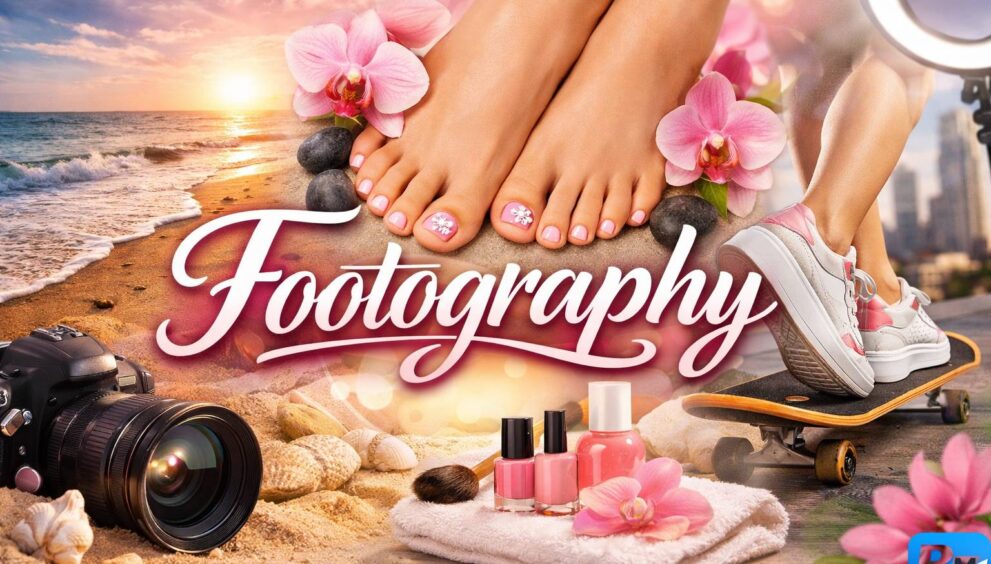
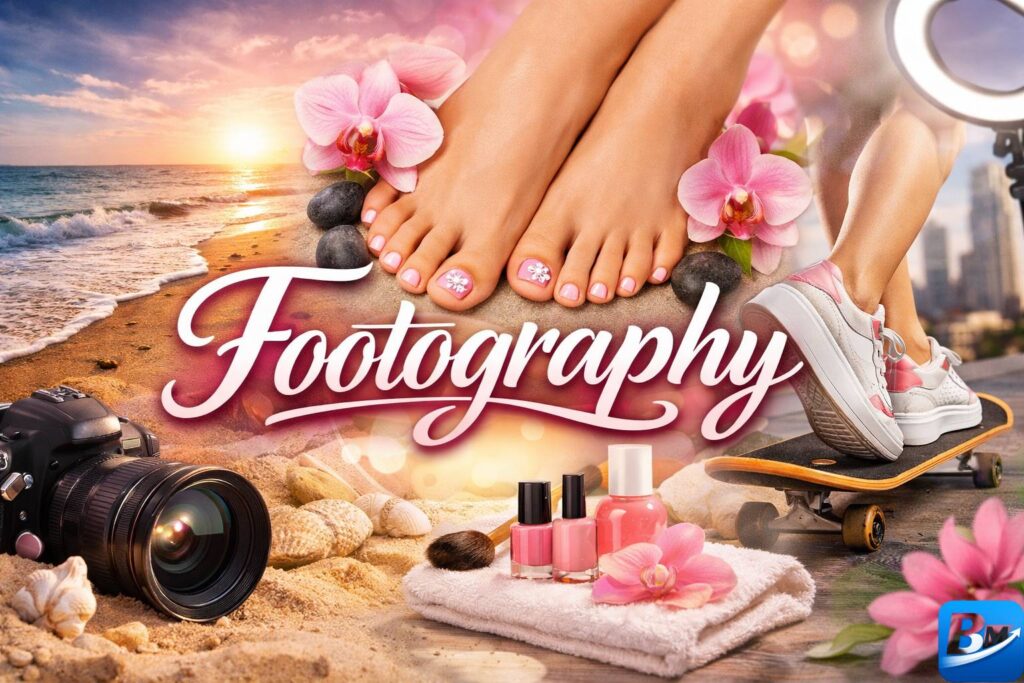
The term Footography refers to a style of photography that focuses specifically on feet as the main visual subject. While it may initially sound unusual, it has developed into a recognizable niche within modern visual media. This concept appears across several fields, including fashion marketing, artistic photography, beauty promotion, and certain online content communities.
What defines this niche is not simply photographing feet, but intentionally framing them as the central element of the image, similar to how portrait photography focuses primarily on faces. In foot photography, the goal is to direct visual attention toward form, styling, posture, or footwear design.
In recent years, interest in foot-focused photography has grown due to social media culture and the expansion of niche content creation. Some photographers approach it as a form of artistic expression, while others use it for commercial purposes such as footwear promotion or beauty advertising.
Understanding how this niche works requires looking beyond initial assumptions. The subject involves photography techniques, cultural context, online platforms, and the practical considerations of creating images that highlight a specific body feature.
What Is Foot-Focused Photography and How Does It Work
Foot-focused photography is a niche where the feet become the primary subject of the image rather than a supporting detail. The goal is to highlight form, texture, posture, footwear, or styling in a way that gives the subject visual importance.
This can range from artistic close-ups to lifestyle images where feet appear naturally within a scene. The defining factor is intentional composition that directs the viewer’s attention to that part of the body.
In commercial settings, foot photography frequently appears in footwear advertising, nail art promotion, skincare campaigns, and lifestyle branding. Companies selling sandals, sneakers, or pedicure products rely on images that clearly showcase the feet while communicating comfort, design, and aesthetic appeal.
From an artistic perspective, photographers sometimes explore symmetry, shape, lighting, and minimal composition. Feet can create interesting visual lines and textures that photographers use to experiment with shadows, natural light, and perspective. These images may appear in art portfolios, creative photography projects, or editorial features.
A common misunderstanding is that this type of photography automatically implies a specific audience or intention. In reality, the niche is broader than many people assume. Many photographers simply treat feet as another photographic subject, similar to hands or facial expressions, while focusing on composition and storytelling.
Why Foot Photography Has Become Popular Online
The increasing visibility of foot photography is largely connected to social media platforms and the rise of specialized online communities. Digital platforms allow creators to publish highly specific visual themes while still reaching an interested audience.
As a result, photography styles that once remained within small creative circles can now appear in mainstream social feeds.
Online platforms have also lowered the barrier to entry for independent photographers. A creator no longer needs a magazine contract or advertising agency to distribute their work. By posting images directly, photographers can test creative ideas, refine their visual style, and build an audience around specific themes.
Another factor contributing to the growth of this niche is the expansion of targeted marketing. Brands increasingly focus on specialized interests and lifestyle aesthetics rather than broad audiences. Footwear companies, beauty brands, and lifestyle influencers rely on detailed imagery to highlight aspects that consumers care about, such as comfort, nail styling, relaxation, or fashion details.
However, increased visibility does not always lead to widespread understanding. Many people first encounter this niche through viral discussions rather than professional photography contexts. In reality, much of the work within this niche remains focused on commercial marketing, lifestyle photography, or artistic experimentation.
Photography Techniques Used in Foot-Focused Photography
Photographers working in this niche pay close attention to lighting, angles, and composition. Because the subject area is smaller compared to full-body photography, even minor details become highly visible.
Skin texture, posture, and lighting balance must be handled carefully to maintain a polished and visually appealing image.
Lighting plays an especially important role in foot photography techniques. Soft natural light is often preferred because it produces gentle shadows and reduces harsh contrast on skin surfaces. Studio lighting may also be used to highlight specific product features such as shoe materials, stitching, or design elements.
Angles and framing strongly influence whether an image appears natural or awkward. Slightly elevated perspectives often create more balanced compositions, while close-ups can emphasize texture or artistic abstraction. Photographers frequently experiment with several angles before choosing the most visually effective frame.
One common mistake among beginners is overcomplicating the scene. Too many props, strong color contrasts, or cluttered backgrounds can distract from the main subject. Successful images often rely on simplicity. Neutral backgrounds, balanced lighting, and relaxed posing allow the viewer’s attention to remain focused where the photographer intends.
Ethical and Professional Considerations in Foot Photography
Like any photography niche that focuses on the human body, professionalism and clear boundaries are essential. Photographers must ensure that models fully understand how their images will be used and distributed.
Written consent, clear communication, and transparent agreements help protect both photographers and models.
Privacy considerations are also important when images are shared online. A model may be comfortable with commercial promotion but not with unrestricted distribution across multiple platforms. Professional photographers typically address this by defining usage rights in contracts and explaining where the images may appear.
Respectful representation is another key factor. Images should present subjects in a way that aligns with the model’s expectations and the intended audience. Responsible photographers avoid misleading contexts or publishing images in environments that could create confusion about their purpose.
Ignoring these considerations can damage credibility and professional relationships. The photography industry relies heavily on trust, and maintaining clear ethical standards helps ensure that creative projects remain respectful, transparent, and sustainable.
Can Foot Photography Be a Profitable Niche
Foot photography can be a viable creative or commercial path, but its long-term sustainability depends on how it is approached. Photographers who treat it as a professional specialty often combine it with broader services such as fashion photography, product photography, or lifestyle photography.
Commercial opportunities exist mainly in footwear marketing, beauty campaigns, and stock photography. Brands regularly need imagery that demonstrates how products are used in everyday settings. For example, a well-composed image showing sandals on a beach or sneakers during a walk can communicate product value more effectively than a simple catalog image.
Creative photographers sometimes use this niche to develop a recognizable visual style. A consistent aesthetic approach can attract collaborations with designers, influencers, or beauty professionals. Over time, a unique portfolio can become more valuable than the niche itself.
However, relying entirely on a single narrow subject area may limit long-term growth. Photographers who succeed in this space typically treat foot-focused photography as one component of a broader creative skill set.
Conclusion
Footography represents a specialized form of foot-focused photography where feet become the primary subject of visual storytelling. While the concept may initially seem unusual, it fits naturally within broader fields such as fashion photography, product marketing, and artistic experimentation.
The niche has gained visibility as social media platforms allow creators to share highly focused visual themes with targeted audiences. As a result, photography styles that once existed in smaller communities can now reach wider audiences.
Understanding this niche requires separating assumptions from practical reality. For many photographers, it is simply another way to explore composition, lighting, and branding within a specific visual context.
Those who approach foot photography professionally focus on strong technique, clear communication with models, and responsible presentation. When handled ethically and creatively, it can function as a legitimate artistic style or as a valuable component of broader commercial photography work.
Frequently Asked Questions (FAQs)
Q1: What is footography?
A: Footography is a niche of photography that focuses specifically on feet as the main subject of the image. It can be used for artistic expression, commercial purposes like footwear marketing, or lifestyle content.
Q2: How is foot photography different from regular photography?
A: Unlike standard photography where feet may be incidental, foot photography intentionally frames feet as the central visual element. This includes careful attention to angles, lighting, posture, and styling.
Q3: What are the main uses of foot-focused photography?
A: Foot photography is commonly used in fashion marketing, beauty campaigns, footwear promotion, nail art, lifestyle photography, and creative artistic projects.
Q4: Do photographers need special techniques for footography?
A: Yes. Photographers often focus on lighting, angles, composition, and background simplicity. Soft natural light or controlled studio lighting helps highlight skin texture, footwear, and artistic details.
Q5: Is footography ethical and professional?
A: Like any human-centered photography, professionalism is key. Photographers should obtain written consent, define usage rights, and represent subjects respectfully. Clear communication ensures ethical practice.
Q6: Can foot photography be a profitable niche?
A: Yes. Commercial opportunities exist in footwear marketing, beauty campaigns, stock photography, and collaborations with influencers. Creative photographers can also build a recognizable style within this niche.
Q7: Why has footography become more popular online?
A: Social media platforms and online communities allow creators to share highly specialized content, reaching targeted audiences. Niche marketing and lifestyle branding have also increased its visibility.
Q8: Can foot photography be part of a broader photography career?
A: Absolutely. Many photographers integrate footography into fashion, product, or lifestyle photography services, using it as a specialty to attract clients while maintaining a diverse portfolio.