



























































































































Costco Rival Launches Megastore: What Shoppers Need to Know

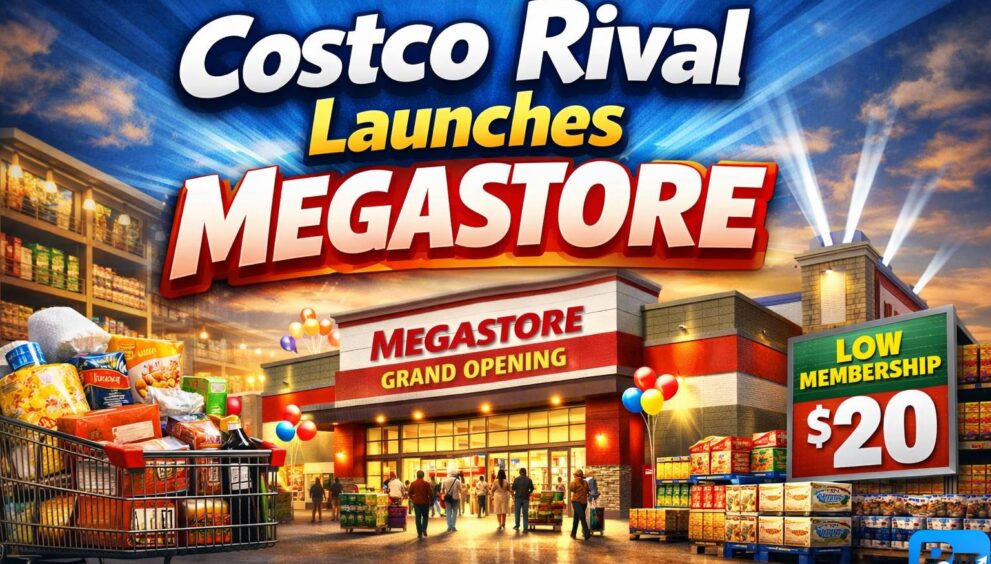
Costco Rival Launches Megastore
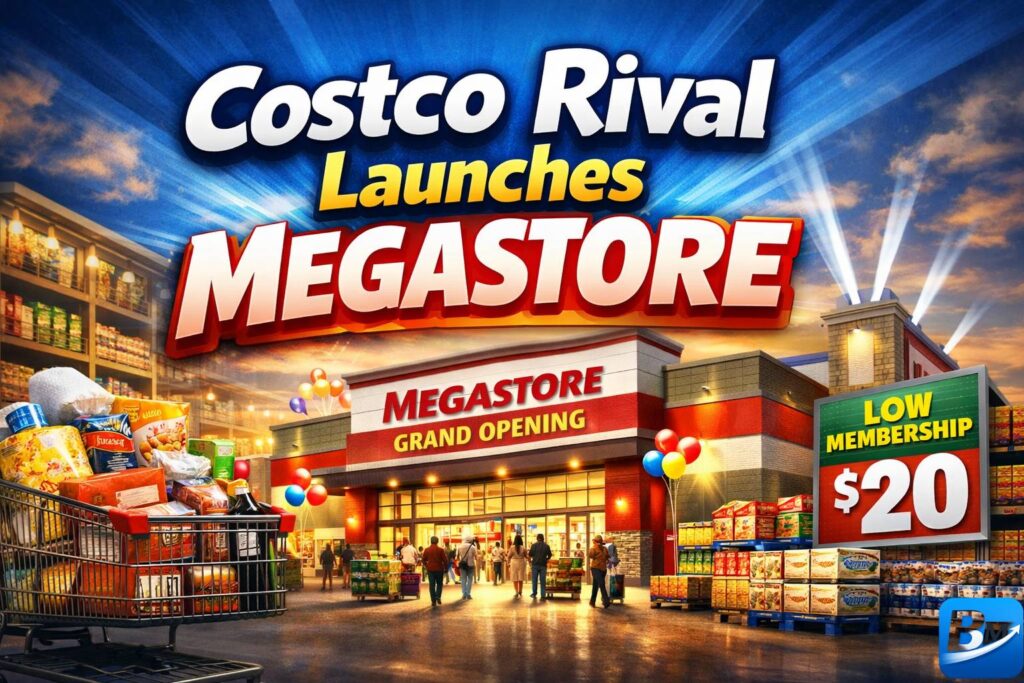
In the world of retail, warehouse clubs have long been a go-to destination for shoppers seeking bulk savings and membership perks. Costco has dominated this space for decades, but now a Costco Rival Launches Megastore, offering a fresh approach to bulk shopping with lower membership fees, a diverse range of products, and a unique shopping experience that challenges traditional warehouse club models.
This article explores the rise of this new competitor, compares it with established warehouse clubs, and examines what it means for both shoppers and the retail industry.
What’s Happening: New Warehouse Megastore Rivals Costco
Recently, industry observers have reported the launch of a new Costco-style warehouse megastore that is generating buzz for its unique approach to membership and product variety.
Unlike Costco, which requires a paid annual membership just to enter most stores, this upstart has introduced a much lower membership fee and, in some cases, an optional membership model, aiming to lower the barrier to entry for shoppers.
What Sets This Rival Apart
Based on business analysis and retail behavior insights, the new megastore offers:
- Lower or optional membership fees, making it accessible to a wider range of shoppers.
- A diverse product offering, including items often missing from typical warehouse club assortments.
- Experiential shopping with a mix of bulk staples and niche products to make the store a destination for discovery.
This strategy capitalizes on consumer trends where value and discovery are equally important, especially in markets where grocery prices continue to rise.
Case in Point: Resco Food Service
One early example capturing public interest is Resco Food Service, a warehouse store in California.
Here’s what makes Resco noteworthy:
- Massive selection with over 5,000 products, ranging from bulk staples to rare and imported snack items.
- Low-cost membership at about $20 annually, significantly less than Costco’s base fees.
- Public access allowing shoppers to experience the offerings before joining.
Resco has become popular on social platforms where food influencers showcase unique products, demonstrating demand for large-format, value-oriented stores with diversified inventories. While Resco is not yet a nationwide brand like Costco, its growth highlights consumer appetite for alternative warehouse experiences.
Why Warehouse Retail Is Booming
Costco, Sam’s Club, BJ’s, and new competitors are all part of a broader trend where warehouse clubs are rising in popularity globally.
Amid inflation and rising grocery prices, shoppers are turning to bulk retailers to stretch their budgets. Sales at warehouse clubs have surged in recent years, as consumers seek high-value bulk purchases that offer significant savings per unit.
Membership Still Matters
Costco’s membership model remains resilient with millions of members, underscoring its loyal customer base. However, competitors are finding ways to differentiate and attract consumers who may feel priced out or overwhelmed by traditional membership structures.
Competitors on the Rise: BJ’s Wholesale Club and Others
While the new megastore introduces innovation, it is not the only competitor challenging Costco’s dominance. BJ’s Wholesale Club continues to expand, providing insight into how competitors are carving out market share:
- Membership growth with high renewal rates demonstrates customer satisfaction.
- Competitive benefits such as manufacturer coupons, curbside pickup, and digital perks appeal to value-seeking shoppers.
- Expansion plans include opening new stores across the country, signaling confidence in growth strategy.
The combination of digital enhancements, flexible shopping options, and competitive pricing positions BJ’s as a strong challenger in the warehouse club space.
Costco vs. Competitors: How They Compare
Understanding how Costco stacks up against its rivals helps contextualize the new megastore’s challenge.
Membership Fees
- Costco starts at approximately $65 per year for basic access and $130 for the executive tier.
- BJ’s offers standard membership with promotional reductions and perks.
- The new rival megastore offers significantly lower or optional membership fees, a key differentiator.
Product Variety
- Costco provides bulk staples, private-label brands, and rotating “treasure hunt” items.
- BJ’s has a broad range including fresh foods and private brands with couponing options.
- The new megastore blends bulk products with specialized offerings not always found in traditional clubs.
Shopping Experience
- Costco focuses on in-warehouse shopping with limited tech integration, although scan-and-go features are being tested.
- BJ’s emphasizes digital tools like app-based discounts and ExpressPay.
- The new megastore emphasizes accessibility and choice, appealing to a broad range of shoppers.
What This Means for Shoppers
For consumers, the surge in competition brings several benefits:
- Lower membership barriers make warehouse shopping accessible to more people.
- Greater variety allows shoppers to combine bulk staples with specialty products.
- Enhanced value propositions from competitors like BJ’s, including digital coupons, pickup options, and flexible services.
What’s Next for Warehouse Retail
Industry analysts suggest several trends to watch:
- Continued expansion of major warehouse clubs nationwide, signaling strong demand.
- Innovation in shopping experiences, including digital integration and e-commerce blending.
- Flexible membership models with tiered, optional, or trial memberships may become more common.
Bottom Line
The launch of a Costco rival megastore with a differentiated membership model signals a shift in warehouse retail. By prioritizing affordability, variety, and accessibility, these new players are challenging traditional models and prompting established giants to innovate.
Whether you are a seasoned bulk shopper or a newcomer, the evolving landscape promises better value, more choices, and shopping experiences designed for today’s cost-conscious and convenience-driven consumers.