






























































































































Alexander Savin The Flying Elephant Memoirs of an Olympic Champion


Alexander Savin The Flying Elephant Memoirs of an Olympic Champion is a sports autobiography that offers readers a rare look inside the world of elite Soviet volleyball during the Cold War. This memoir is more than a record of medals and championships. It is a detailed personal account of discipline, teamwork, sacrifice, and the political atmosphere surrounding Olympic competition in the 1970s and 1980s.
For readers searching for detailed information about this book, this article explains who Alexander Savin is, what the memoir covers, its historical context, major themes, and why it remains relevant for sports enthusiasts and history readers alike.
Who Is Alexander Savin?
Alexander Savin is a former Soviet volleyball player who became one of the most recognized athletes in his sport during the late twentieth century. Born in 1957, Savin rose through the structured Soviet sports system and earned a place on the national team at a young age.
He represented the Soviet Union at the Olympic Games and achieved major success:
- Silver medal at the 1976 Summer Olympics
- Gold medal at the 1980 Summer Olympics
In addition to Olympic achievements, Savin won European and World Championship titles, contributing to the dominance of Soviet volleyball during that era. His career reflects both athletic excellence and the highly organized sports structure of the Soviet Union.
Overview of The Flying Elephant Memoirs of an Olympic Champion
The Flying Elephant: Memoirs of an Olympic Champion is Savin’s autobiographical account of his life as an athlete and later as a mentor. The title symbolizes achieving what seems impossible through persistence and coordinated effort. The metaphor suggests that even something as heavy as an elephant can take flight with enough determination and unity.
The book combines personal memories with broader historical commentary. Readers gain insight into:
- Early life and athletic development
- Training methods within the Soviet sports system
- Olympic preparation and competition
- Team dynamics and leadership
- Transition from athlete to coach
The memoir is structured to highlight not only Savin’s personal journey but also the collective nature of Soviet team sports.
Cold War Context and Political Pressure
One of the most compelling aspects of the memoir is its historical backdrop. During the Cold War, Olympic sports were closely linked to political prestige. Athletes competing for the Soviet Union were seen as representatives of national strength and ideological success.
Savin explains how this environment created intense pressure. Athletes were expected to perform at the highest level, not only for personal achievement but also for national pride. Training camps were rigorous, expectations were strict, and performance standards were extremely high.
The book provides valuable insight into how athletes managed this pressure. It explores the balance between personal ambition and collective responsibility, revealing how sports functioned as both competition and diplomacy.
Training and Discipline in Soviet Volleyball
The memoir describes the structured and scientific approach to training that characterized Soviet athletics. Practices were methodical and demanding. Physical conditioning, technical precision, and tactical understanding were emphasized equally.
Savin highlights several key elements of the system:
- Long training camps focused on endurance and skill refinement
- Strategic preparation tailored to specific opponents
- Emphasis on teamwork over individual recognition
- Constant evaluation and performance monitoring
This disciplined framework helped the Soviet team maintain consistent international success. Savin credits the collective commitment of his teammates and coaches as essential to their achievements.
The 1976 and 1980 Olympic Experiences
The Olympic chapters are central to the narrative. At the 1976 Summer Olympics in Montreal, the Soviet team earned a silver medal. Savin reflects on the lessons learned from that experience, including the emotional intensity of high level competition and the disappointment of falling short of gold.
Four years later, at the 1980 Summer Olympics in Moscow, the team secured a gold medal. Competing on home soil added another layer of pressure and significance. The political climate surrounding the Games made victory especially meaningful. Savin describes the atmosphere as focused and determined, with athletes fully aware of the symbolic importance of their performance.
These sections offer readers an inside view of Olympic preparation and competition from the perspective of a participant rather than a spectator.
Rare Photographs and Historical Documentation
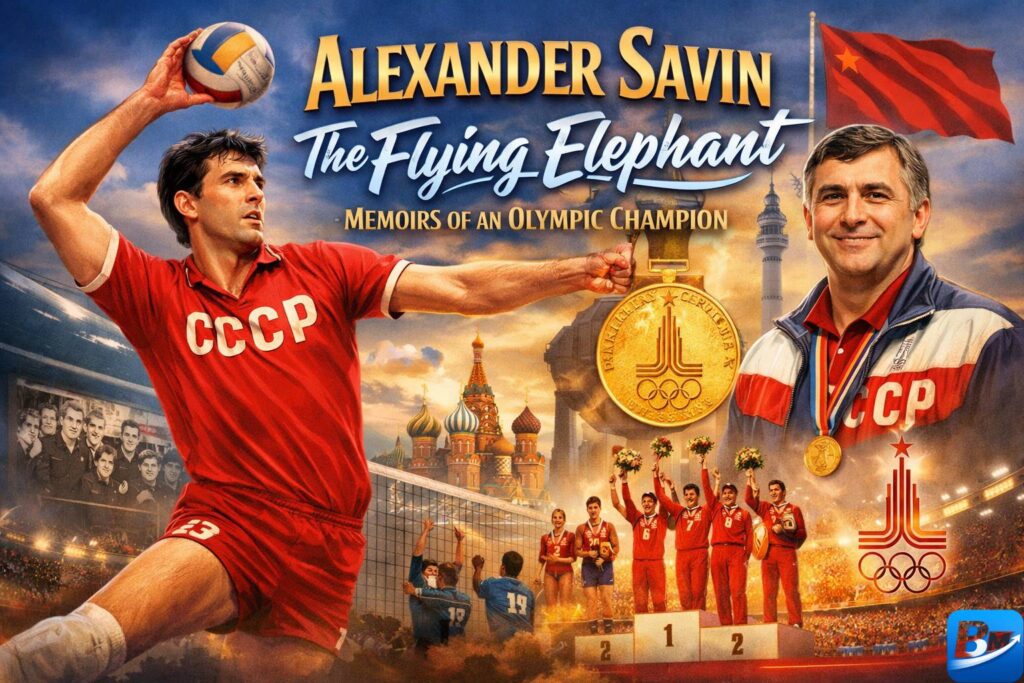
The Flying Elephant Memoirs of an Olympic Champion includes a significant collection of rare photographs. These images document training sessions, matches, team gatherings, and behind the scenes moments.
The visual material adds historical depth to the memoir. It allows readers to see the environment in which Soviet athletes trained and competed. For sports historians and volleyball enthusiasts, this archival content provides valuable context that enhances the written narrative.
Life After Competitive Volleyball
After retiring from active competition, Savin transitioned into coaching and mentorship. The memoir explores how he adapted to life beyond professional play. Like many elite athletes, he faced the challenge of redefining identity outside of competition.
Savin reflects on:
- Passing knowledge to younger athletes
- Observing changes in volleyball techniques and rules
- Comparing modern training systems to those of the Soviet era
- Understanding legacy and long term impact
His reflections show maturity and perspective, emphasizing growth beyond athletic achievement.
Major Themes in the Memoir
Several consistent themes run throughout the book:
Teamwork
The memoir repeatedly emphasizes that success was never individual. Victory depended on cooperation, trust, and shared sacrifice.
Resilience
Savin’s journey required physical endurance and mental toughness. The narrative highlights the importance of staying focused despite pressure and setbacks.
Discipline
Structured training and strict preparation formed the foundation of success.
Historical Awareness
The book situates personal experience within global political events, providing a broader understanding of the era.
These themes make the memoir appealing not only to sports fans but also to readers interested in leadership and history.
Why This Book Matters Today
Alexander Savin The Flying Elephant Memoirs of an Olympic Champion remains relevant because it documents a unique period in international sports. Modern athletes operate in a very different environment shaped by commercialization and digital media. Savin’s story reflects a time when national systems controlled training, and political symbolism was central to competition.
The memoir also serves as a reminder that behind every medal lies a long journey of preparation, teamwork, and sacrifice. It offers practical lessons in perseverance and unity that extend beyond athletics.
For students of sports history, volleyball players, and readers seeking an authentic Olympic narrative, this memoir provides both inspiration and education.
Conclusion
Alexander Savin The Flying Elephant Memoirs of an Olympic Champion is a detailed and thoughtful autobiography that goes far beyond match results. It presents a first hand account of life inside the Soviet Olympic system, explores the pressures of Cold War competition, and reflects on the meaning of teamwork and resilience.
Through personal storytelling and historical context, Alexander Savin shares valuable insights into elite sports performance and the responsibilities that come with representing a nation on the global stage. For anyone researching this title or exploring Olympic era memoirs, the book stands as a significant and informative contribution to sports literature.
Frequently Asked Questions (FAQs)
1. What is Alexander Savin The Flying Elephant Memoirs of an Olympic Champion about?
The Flying Elephant: Memoirs of an Olympic Champion is an autobiographical sports memoir written by Alexander Savin. The book chronicles his journey from a young athlete in the Soviet Union to becoming an Olympic medalist. It explores his training, Olympic experiences, team dynamics, and the political environment surrounding international sports during the Cold War. The memoir also reflects on discipline, teamwork, and life after competitive volleyball.
2. What Olympic achievements did Alexander Savin accomplish?
Alexander Savin won a silver medal at the 1976 Summer Olympics and a gold medal at the 1980 Summer Olympics as part of the Soviet Union men’s volleyball team. In addition to Olympic success, he earned titles at European and World Championships, contributing to the dominance of Soviet volleyball during that period.
3. Does the memoir discuss the political climate of the Cold War?
Yes. A significant portion of the book addresses the political atmosphere surrounding international sports during the Cold War. Savin explains how athletes were seen as representatives of national strength and how Olympic competition carried symbolic importance. The memoir provides insight into the pressures and expectations placed on athletes within the Soviet system.
4. Who should read The Flying Elephant Memoirs of an Olympic Champion?
The book is ideal for volleyball players, coaches, sports history enthusiasts, and readers interested in Olympic history. It is also valuable for those studying leadership, teamwork, and high performance environments. Even readers unfamiliar with volleyball can appreciate the broader themes of perseverance and collective effort.
5. Does the book include photographs or historical material?
Yes. The memoir includes rare photographs and archival images that document training sessions, international competitions, and team life. These visuals enhance the historical value of the book and provide readers with a deeper understanding of the era in which Savin competed.