




























































































































Air Force Academy Civilian Faculty Resignations

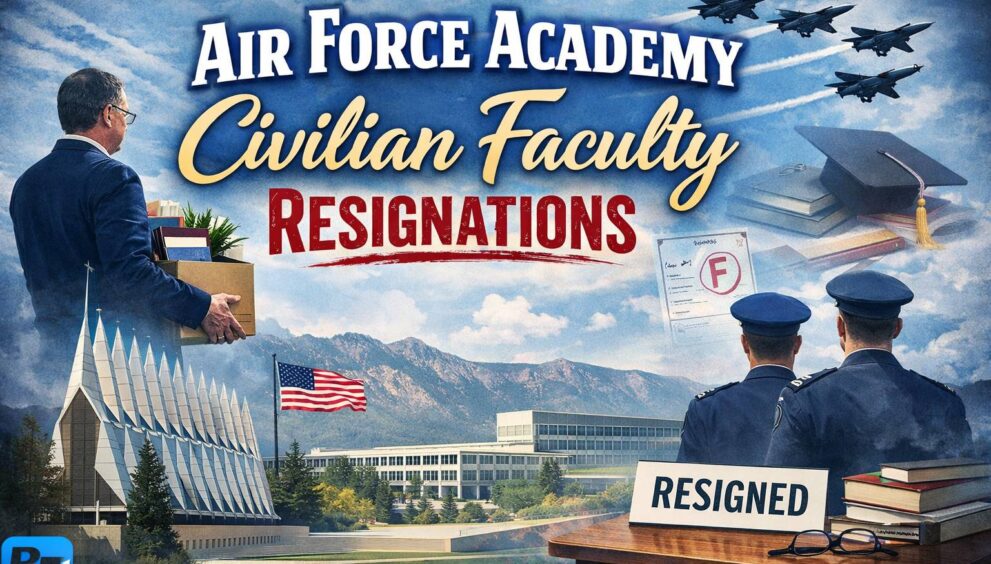
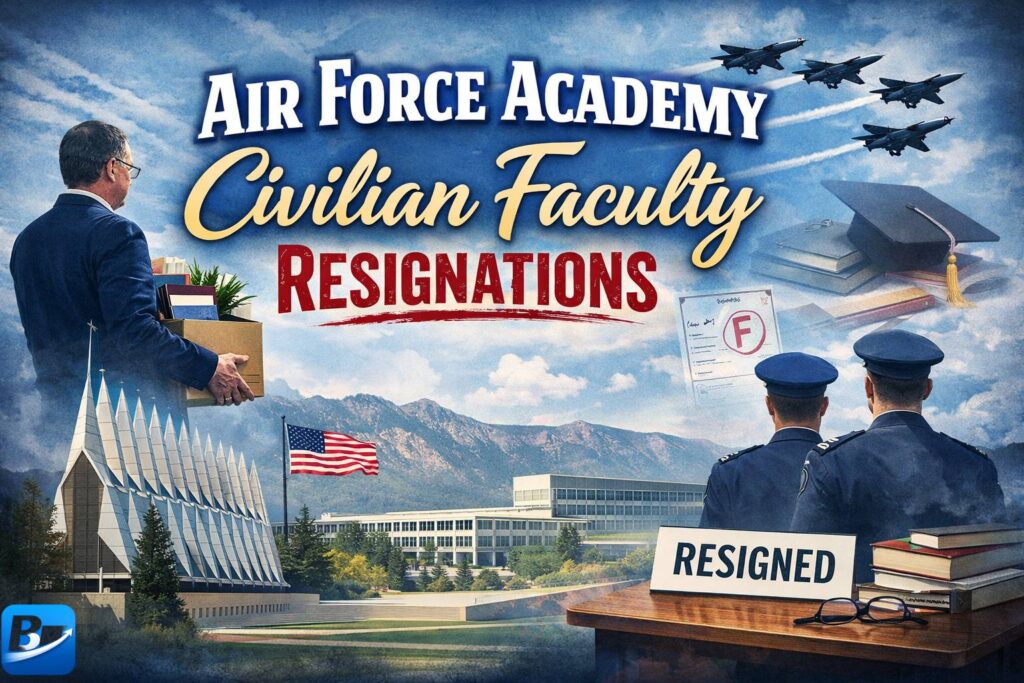
The United States Air Force Academy has recently faced a wave of faculty departures that has drawn attention from students, alumni, and educational observers. These resignations have highlighted challenges in maintaining the Academy’s academic programs while balancing Department of Defense workforce reductions and institutional restructuring. The loss of experienced civilian educators has raised questions about the future of course offerings, research opportunities, and the overall academic environment at one of the nation’s premier military academies.
Air Force Academy Civilian Faculty Resignations have far-reaching implications beyond individual departures, affecting faculty morale, student learning, and institutional stability. The Academy’s leadership has responded by reallocating military instructors and adjusting curricula to ensure continuity, but the situation underscores the importance of retaining qualified faculty and maintaining high academic standards. Understanding the causes, scale, and consequences of these resignations provides valuable insight into the challenges facing the Academy today.
Understanding the Current Situation
The Air Force Academy has faced a series of civilian workforce reductions intended to align staffing levels with broader Department of Defense objectives. The reductions involved both voluntary and mandatory programs designed to encourage civilian employees to resign or retire early. These initiatives included financial incentives and administrative leave options for eligible staff. Civilian faculty members who chose to leave the Academy through these programs contributed to a notable shift in the composition of instructors across various departments.
During this period, a significant number of civilian instructors departed. Official reports cite approximately twenty-five resignations, while internal estimates suggest the figure may exceed fifty. These departures have been partially offset by reassigning military personnel to teaching roles, yet the scale of change has left gaps in some academic disciplines. Many of the civilian faculty who resigned had specialized expertise in critical fields, particularly in STEM subjects, where deep knowledge and research experience are essential for maintaining high academic standards.
Reasons Behind the Resignations
The civilian faculty resignations are primarily driven by two factors: Department of Defense workforce reduction programs and changes in the institutional environment. The Department of Defense initiated workforce reductions across multiple branches, including the Air Force, resulting in the elimination of selected civilian positions at the Academy. Faculty members who were eligible for the Deferred Resignation Program or the Voluntary Early Retirement Authority often opted to leave voluntarily rather than risk job insecurity or role elimination.
In addition to policy-driven workforce reductions, changes in institutional priorities and administrative restructuring have contributed to faculty dissatisfaction. Some faculty members expressed concerns that evolving mission goals and curriculum changes have introduced uncertainty about the long-term value and stability of their positions. Combined with the voluntary reduction programs, these factors created an environment where resignations became a rational choice for many civilian instructors.
Scale and Scope of Faculty Departures
The scale of these resignations has been substantial relative to the size of the Academy’s civilian workforce. The Academy planned to eliminate approximately 140 civilian positions in fiscal year 2025, with 36 positions already filled and the remainder either vacant or set to be vacated through voluntary departure programs. The voluntary departures included a mix of retirement and resignation, resulting in gaps that have yet to be fully addressed.
The effects of these reductions are particularly pronounced in departments that rely heavily on civilian expertise. Civilian professors often bring deep subject matter knowledge, advanced research capabilities, and a commitment to specialized academic programs. Their departures have raised concerns about the Academy’s ability to maintain a high standard of education in disciplines such as engineering, computer science, and the physical sciences. Military personnel filling some of these roles bring valuable operational experience but may not possess the same depth of research or teaching specialization.
Impacts on Academic Programs
The loss of civilian faculty has had a multifaceted impact on the Academy’s academic programs. Courses in specialized fields may experience reduced depth, and students may have fewer opportunities to engage in faculty-led research projects. Advanced electives and specialized majors are particularly vulnerable when faculty departures reduce the availability of instructors with expertise in those areas.
Despite these challenges, the Academy has sought to maintain the integrity of its curriculum by reassigning military instructors to civilian roles where possible and restructuring certain courses to ensure continuity. Efforts have also been made to expand elective offerings and introduce new minors to accommodate student interests. While these measures provide short-term solutions, the long-term sustainability of academic excellence depends on the ability to recruit and retain faculty with the necessary expertise.
Morale and Institutional Climate
Faculty morale has been affected by the combination of workforce reductions and leadership transitions. Internal surveys conducted at the Academy revealed a decline in morale, with many faculty members expressing concerns about communication, job security, and institutional direction. Faculty departures have also increased workloads for remaining instructors, further impacting job satisfaction and the academic environment.
The changes have sparked conversations about the balance between operational experience and academic specialization. Civilian faculty bring not only subject matter expertise but also long-term continuity and stability in teaching and research. Their departure has highlighted the challenges of maintaining a cohesive academic community while implementing workforce reduction programs.
Accreditation and Oversight
The reduction of civilian faculty has drawn attention from accrediting bodies responsible for ensuring the quality of academic programs. The Higher Learning Commission, which oversees accreditation for the Air Force Academy, has initiated a review to assess the potential impact of faculty reductions on educational standards. Concerns focus on whether the Academy can sustain academic rigor and program support in the absence of experienced civilian instructors.
Accreditation reviews consider faculty composition, instructional quality, and the adequacy of academic resources. The Academy’s leadership has emphasized its commitment to maintaining academic standards, ensuring that curricula remain comprehensive and that students continue to receive instruction from qualified personnel. However, the ongoing review underscores the importance of demonstrating that staffing changes do not compromise educational outcomes.
Leadership Changes and Faculty Strategy
Leadership transitions at the Air Force Academy have coincided with the period of civilian faculty reductions. Senior officials, including the Superintendent and the Commandant of Cadets, have announced retirements, and new appointments are expected to bring fresh perspectives to faculty management and curriculum development. These leadership changes offer an opportunity to implement strategies that balance military expertise with civilian academic knowledge.
The new dean of faculty and other incoming leaders face the challenge of stabilizing the academic environment while continuing to meet broader Department of Defense objectives. Their approach will influence faculty recruitment, retention, and morale, as well as the Academy’s ability to maintain high-quality academic programs.
Future Implications
Looking ahead, the Air Force Academy faces several critical considerations as it navigates the impact of civilian faculty resignations. Ensuring a balance between civilian expertise and military instructional experience is essential for sustaining the Academy’s academic mission. Recruitment strategies must target highly qualified faculty to fill gaps left by voluntary departures, particularly in specialized disciplines where civilian expertise is irreplaceable.
Accreditation oversight will continue to play a significant role in shaping the Academy’s response to faculty changes. Maintaining compliance with accrediting standards requires transparency, careful planning, and evidence that academic quality is not compromised by workforce reductions.
The experience of faculty leaving the Academy also provides lessons in institutional communication, organizational change, and workforce management. Addressing concerns about morale, professional development, and job security will be important for retaining the remaining faculty and attracting new instructors.
Conclusion
The resignations of civilian faculty at the United States Air Force Academy reflect a period of substantial transition driven by workforce reduction programs and institutional changes. While the Academy has taken steps to mitigate the impact on academic programs, the departures raise important questions about the sustainability of specialized instruction, faculty morale, and long-term educational quality. As leadership adapts to these changes, the Academy’s ability to maintain a rigorous and comprehensive academic environment will depend on careful management of faculty resources, strategic recruitment, and continued attention to both civilian and military instructional contributions. The coming years will be critical for ensuring that the Air Force Academy continues to fulfill its mission of developing well-educated, capable officers prepared for the demands of military and civic leadership.