


























































































































239 Area Code: Cities Served and How to Evaluate Unknown Calls

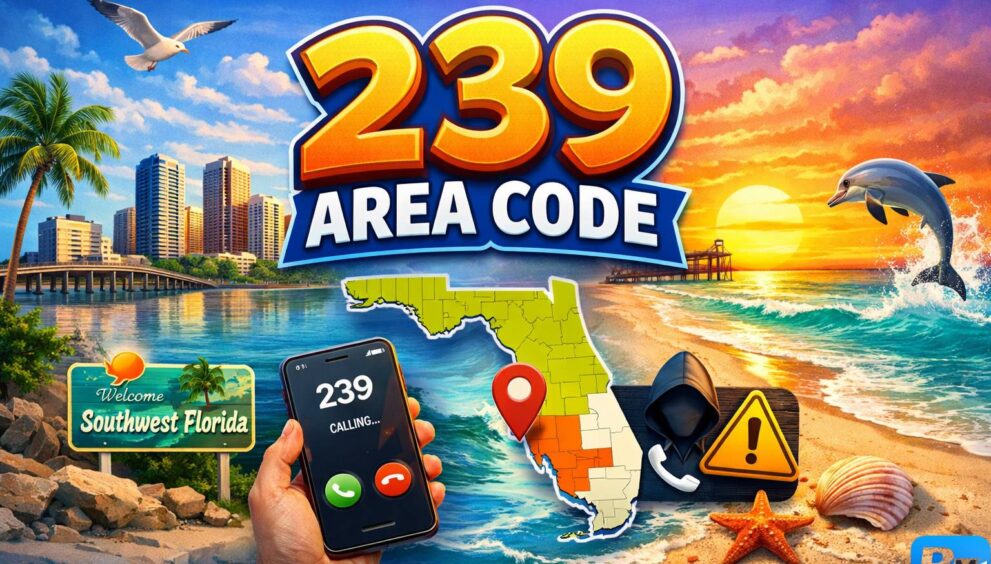
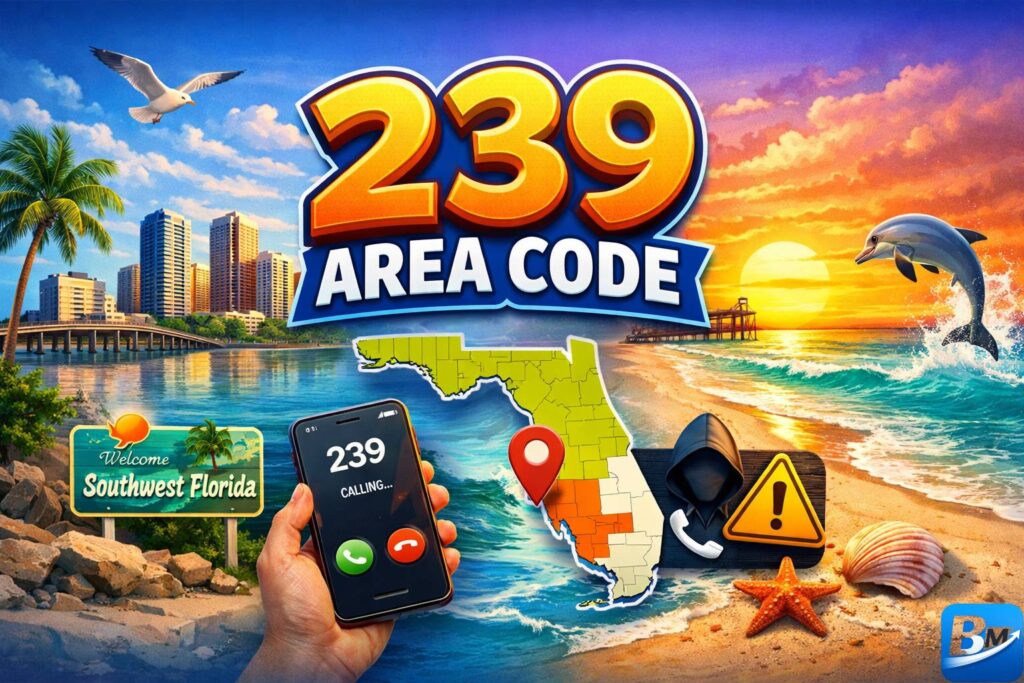
The 239 area code serves Southwest Florida and is most closely associated with communities along the Gulf Coast. It covers cities such as Fort Myers, Naples, and Cape Coral, placing it firmly within the Eastern Time Zone. Created in 2003 as a split from the 941 region, it reflects population growth and increased demand for phone numbers in this part of the state.
For most people, interest in this code begins with a missed call. Some want to confirm whether it is legitimate. Others are evaluating it for business presence or relocation. Understanding the geographic coverage, regulatory background, and common call patterns helps you respond logically rather than react emotionally to an unfamiliar number.
Where is the 239 area code located and what region does it serve
The code covers Southwest Florida, primarily Lee County and Collier County, along with parts of Hendry County. Major population centers include Fort Myers, Naples, Cape Coral, Bonita Springs, and Marco Island. All numbers operate under the North American Numbering Plan and follow Eastern Time.
This region is known for tourism, retirement communities, and seasonal residents. As a result, call volumes can fluctuate throughout the year. Many healthcare providers, property managers, hospitality businesses, and local contractors use numbers from this region. Seeing this code often indicates a Florida based origin, but not necessarily the exact city.
It is important to understand that area codes identify numbering regions, not specific neighborhoods. A number assigned in Naples may now be used by someone who has relocated while keeping their original line. Mobile number portability makes geographic assumptions less precise than they were decades ago.
For businesses, using a local number can signal regional presence. However, customers increasingly verify companies online rather than relying solely on area codes. Geographic familiarity helps, but credibility depends on consistent branding and transparent contact details.
Is a call from this number legitimate or a potential scam
A call from this region is not inherently suspicious. It is a legitimate Florida code regulated by the Federal Communications Commission and administered under the North American Numbering Plan. Millions of valid residential and commercial numbers operate within it.
However, scammers frequently use caller ID spoofing. This means a fraudulent caller can display a Florida number even if they are located elsewhere. The presence of a recognizable code does not confirm authenticity. The same risk exists across all U.S. regions.
Common red flags include urgent demands for payment, threats involving government agencies, requests for gift cards, or pressure to share verification codes. Legitimate institutions rarely demand immediate action without written notice. When in doubt, disconnect and contact the organization through its official website.
Avoid calling back unknown missed calls immediately, especially if there was no voicemail. Some schemes rely on curiosity driven return calls. Verifying through independent channels protects both personal data and financial security.
Why was this code created and how does it function today
This code was introduced in 2003 after demand for new numbers exceeded the supply within the 941 region. Population growth, mobile phone adoption, and business expansion required additional numbering capacity. Splitting the region ensured continued availability without disrupting existing lines.
Today, it supports landlines, mobile phones, and Voice over IP services. Number portability allows users to retain their number when changing providers, which reduces friction for consumers and businesses. The infrastructure operates seamlessly within the broader U.S. telephone network.
Area codes are managed based on projected exhaustion rates. When demand rises sharply, regulators evaluate overlays or splits to maintain continuity. Understanding this context helps clarify that new or unfamiliar codes are usually administrative responses to growth rather than signs of instability.
For residents and companies moving into Southwest Florida, obtaining a local number remains straightforward. Service providers assign numbers based on availability, not status or exclusivity. The code functions like any other established U.S. region.
Should you answer, return, or block a call from this region
You should answer or return the call if you are expecting communication from Southwest Florida. Many legitimate industries operate there, including healthcare, real estate, tourism, and small businesses. Context matters more than the digits themselves.
If the call was unsolicited and no voicemail was left, caution is reasonable. Let unknown calls go to voicemail. Legitimate callers typically leave a clear message explaining their purpose and contact details. Silence often signals low priority or automated dialing.
Blocking becomes appropriate when repeated unwanted calls occur or when clear scam indicators appear. Most smartphones provide built in filtering tools. Combining device settings with carrier level spam protection reduces disruption.
The balanced approach is simple. Do not panic when you see an unfamiliar area code. Evaluate based on behavior, message content, and verification rather than geography alone.
What businesses and residents should know before using it
For businesses targeting Southwest Florida customers, a local number can improve answer rates and foster familiarity. Customers often feel more comfortable calling back a number that appears regional. This is particularly relevant for home services, medical practices, and property management firms.
That said, credibility depends on more than location. Consistent listings across Google Business Profile, company websites, and review platforms build trust. Mismatched contact details create confusion and reduce response rates.
Residents relocating to the region may choose to keep their previous number or adopt a local one. Keeping an old number preserves continuity. Switching can signal local integration. The decision should reflect personal convenience rather than perceived prestige.
Ultimately, the number itself carries no inherent advantage or risk. Its value lies in how responsibly and transparently it is used.
Conclusion
The 239 region represents Southwest Florida and operates as a standard, fully legitimate U.S. telephone area code. It was created to meet growing demand and continues to support residential, mobile, and business communication.
When evaluating a call from this area, focus on context, message content, and verification methods. Geography alone does not confirm trustworthiness or fraud. Whether you are answering a missed call, launching a local business, or relocating to the Gulf Coast, informed judgment leads to better decisions than assumptions based on three digits alone.
Frequently Asked Questions (FAQs)
1) Where is the 239 Area Code located?
The 239 Area Code serves Southwest Florida, including Fort Myers, Naples, Cape Coral, Bonita Springs, and Marco Island. It operates in the Eastern Time Zone and covers most of Lee and Collier counties.
2) Is a call from this region legitimate or a scam?
The code itself is legitimate and regulated under the U.S. numbering system. However, scammers can spoof numbers, so always verify unknown callers before sharing personal or financial information.
3) When was this code created and why?
It was introduced in 2003 after being split from the 941 region due to population growth and increased demand for new phone numbers in Southwest Florida.
4) Should I return a missed call from this area?
Return the call only if you were expecting contact or if a clear voicemail was left. Avoid calling back unknown numbers that provide no context or request urgent action.
5) Can businesses benefit from using a local Southwest Florida number?
Yes. A local number can improve answer rates and customer trust within the region, especially for service-based businesses targeting residents in Southwest Florida.